Rubbish Removal Waste in the UK
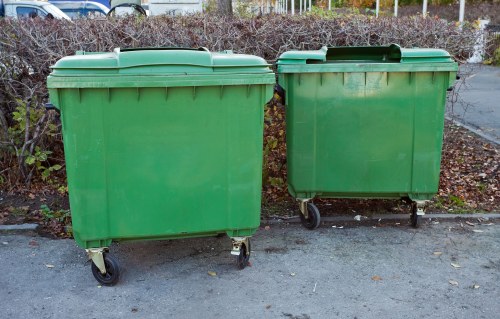
Rubbish Removal Waste provides a practical rubbish removal service in the UK for homes, landlords and businesses that need unwanted items collected and taken away in an organised way. The service is suited to everyday clear-outs, one-off bulky loads and mixed waste that has built up over time. We focus on straightforward removal, careful handling and responsible onward disposal, so customers can choose a simple collection without having to arrange transport or multiple trips themselves.
Our work can cover general waste removal, bulky household items, furniture, white goods and other non-hazardous materials that need clearing from inside or outside a property. Where a job has several parts, such as a loft, garage or garden space, we can remove mixed items in a single visit rather than splitting the work into separate tasks. Clear access, a realistic description of the load and any useful photos help us understand the job properly before we provide a quotation.
For a smoother enquiry, it is helpful to note what needs to go, whether anything is heavy or awkward to move, and if there are stairs, shared entrances or limited parking to consider. If you are comparing options, use the service pages below to see the kind of clearance we handle and the standards we work to. Request a quotation when you are ready, or take a moment to review the relevant service details first.
Household rubbish removal and internal clearances
Many customers need help with the kind of domestic waste that is too bulky, numerous or awkward for regular bin collection. That may include bagged rubbish, old boxes, worn household items, broken storage, electricals that are not wanted, and general clutter from rooms that need resetting. A well-planned collection keeps the work contained and helps ensure items are separated sensibly, especially where some belongings may be kept, reused or recycled.
For domestic jobs, the right approach depends on both the volume and the make-up of the waste. A small mixed load from a spare room is very different from a full property clearance, and the collection method should reflect that. Some loads are straightforward and compact; others need more time because of stairs, access routes or heavier items. Where relevant, we can combine waste collection with related clearances such as house clearance or flat clearance when the work extends beyond a simple uplift.
Choosing the right collection for the property
Domestic customers often want a service that is simple, discreet and quick to understand. The useful questions are usually practical ones: which rooms need clearing, how much is being removed, and whether there are items that need more careful handling. Rubbish removal is not always about a single pile of waste; it can involve different materials gathered from throughout the property, each with its own handling considerations. Keeping the description accurate helps the quote reflect the actual work.
Bulky items, furniture and white goods

Bulky items are a common reason people arrange rubbish removal. Sofas, wardrobes, mattresses, tables, cabinets and worn appliances can be difficult to move safely without help, particularly from upper floors or tight hallways. Our service can be used for one-off collections as well as larger clearances where several heavy items need to be taken at the same time. The key is to describe the items clearly so the collection can be planned around size, weight and access.
When furniture or appliances are being taken away, it is sensible to think about the condition of each item and whether it belongs in a disposal stream, a recycling route or a specialist category. For example, some loads may include furniture disposal alongside fridge disposal or mattress removal and collection, and each type of item benefits from being identified early. This makes it easier to prepare the collection correctly and choose the most suitable service page when more detail is needed.
If you are dealing with several large items at once, a single arranged uplift is often more manageable than trying to move them separately. That is especially true where items are stored in different rooms or in outbuildings and need to be brought together before collection. A brief, accurate list works well for quotation purposes, and it helps us keep the job practical from the first step through to the final load.
Garden, garage and loft waste
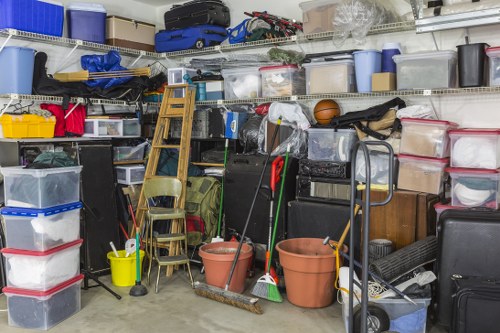
Outdoor and storage spaces often hold the kind of waste that collects gradually: broken tools, bagged clippings, old pots, damaged furniture, cardboard, timber offcuts and other unwanted items that no longer have a place. Garden waste clearance and related rubbish removal work is useful when the pile has become too large or too mixed to deal with as routine tidy-up waste. In garages and lofts, the challenge is often not just quantity but access and sorting.
Where the work extends beyond loose rubbish, we can handle more specific clearances such as garden waste clearance, garage clearance and loft clearance. These services are helpful when the items are spread across a wider area or stored in ways that take time to access safely. Planning matters because the location of the waste can affect the method of removal, the time required and the number of people needed for the job.
Mixed waste from these spaces is often a combination of reusable, recyclable and disposable materials. Good clearance practice is to separate what can be diverted from general waste where appropriate, while still keeping the job efficient for the customer. That balanced approach is especially useful when the space itself needs clearing for renovation, sale, storage or straightforward reclaiming of usable room.
Commercial rubbish collection and workplace waste
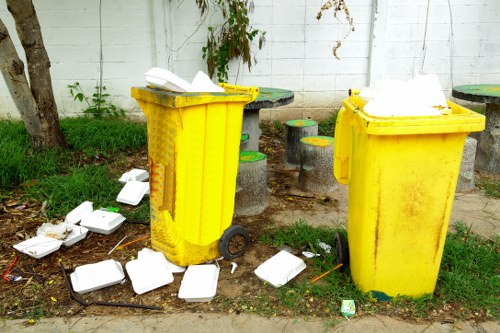
Businesses often need a rubbish removal service that is reliable, discreet and suited to a working environment. Office fit-outs, stockroom clear-outs, changing layouts and routine disposal of redundant items can all generate waste that is awkward to move during normal trading. We can support commercial customers with collections that suit practical requirements rather than forcing a one-size-fits-all approach. The emphasis is on removing waste neatly and keeping disruption proportionate to the job.
For workplaces, it may be more useful to think in terms of site type and waste type. A small office with old desks and screens has very different needs from a warehouse or retail unit with packaging, shelving or mixed refuse. Relevant services include office clearance, commercial waste collection and commercial waste disposal. These pages suit customers who want a clearer route to the service that matches their premises and materials.
Commercial waste planning is helped by a simple inventory of what is leaving the site and how it is currently stored. That can be as basic as a list of rooms, departments or storage areas. If there are items that require special care, such as screens, filing units or awkward furniture, it is worth flagging them early. A measured approach keeps the collection practical and helps avoid unnecessary handling on the day.
Clearance for larger property projects
Some jobs involve more than removal of loose rubbish. They may include a broader clear-out linked to change of tenancy, refurbishment, probate, sale preparation or long-term accumulation. In those cases, the service may need to cover furniture, small items, bagged waste and general contents together. A broader clearance helps when the goal is to leave a property ready for its next stage rather than to remove only one category of waste.
Where this is the better fit, related pages such as home clearance, property clearance and waste clearance describe different ways of approaching the work. These services are useful when the job spans several rooms, multiple item types or a mixture of storage and living areas. They also help customers compare a targeted uplift with a fuller clearance, depending on how much is involved.
In broader clearances, it is often useful to separate what must go immediately from what may still be needed. That may sound obvious, but in practice it prevents confusion and keeps the removal process efficient. The best results usually come from a clear brief, sensible access and a description of the spaces involved, especially where the job is spread across several floors or contains a mixture of contents.
Pricing factors, access and quotation details
Rubbish removal quotations are usually shaped by practical factors rather than by a fixed label alone. The type of material, the overall amount, the ease of access and the time needed to collect and load everything can all affect the price. A straightforward load from a driveway is different from a collection that involves stairs, narrow passages or several areas across a property. That is why accurate information is valuable before any figure is given.
The most useful quotation details are often simple. A short list of items, approximate quantities, and any access notes usually gives enough context to price the job properly. If the waste includes mixed materials, it can help to mention anything unusually heavy, dusty, wet or awkward. For a customer who wants to compare options, our pricing and quotes page is a sensible place to look at how an enquiry can be structured before the final arrangement is made.
Two brief points can make the process easier: first, let us know what you want removed and from where; second, mention anything that could slow the loading process, such as restricted parking or shared access. If you are unsure whether an item belongs with a general collection or a more specific service, describing it clearly is usually enough to point you in the right direction. Start with a short description, then ask for a quotation once you are ready.
Recycling, disposal and responsible handling
Responsible rubbish removal is not only about taking items away, but also about handling them sensibly afterwards. Different materials may need different routes once they have been collected, and a careful approach helps keep general waste separate from items that may be suitable for reuse or recycling. That matters for mixed domestic and commercial loads alike, especially where a collection contains furniture, metals, appliances and general refuse together.
Where the material mix makes it relevant, related services such as recycling and rubbish, waste recycling and waste disposal help explain the stages beyond collection. Customers often want reassurance that the job is handled in an organised way, with the waste directed through the appropriate route once removed. That is particularly important when the load includes items that should not simply be treated as ordinary rubbish.
Good sorting starts before collection, because the way a load is described affects the method used to process it later. If you know the waste contains a blend of recyclable materials and general rubbish, say so at the enquiry stage so the collection can be planned correctly. Even a short note about item types can improve the accuracy of the quotation and help keep the removal process straightforward.
About the UK
The United Kingdom is a sovereign state made up of four constituent countries: England, Scotland, Wales and Northern Ireland. Its landscape ranges from the mountainous highlands of northern Scotland to the rolling uplands of Wales, the plains and river valleys of much of England, and the varied coastlines that ring the islands and peninsulas of each country. The country’s physical geography has shaped settlement, transport and trade for centuries, with waterways such as the Thames, Severn, Mersey and Clyde playing important roles in movement and industry. Large urban centres grew along these routes, while smaller market towns developed around crossings, harbours and local estates. The capital, London, sits on the Thames and combines Roman origins, medieval growth, Georgian streets and modern districts into one of the most layered cityscapes in Europe.
Across the UK, the built environment reflects a long and often visible history. Cathedrals, castles, civic squares, Victorian railway stations, terraced housing, industrial mills and post-war estates all sit within the same national frame, sometimes only a short distance apart. The country’s museums, theatres and galleries are spread well beyond the capital, with institutions in cities such as Manchester, Liverpool, Glasgow, Edinburgh, Cardiff and Belfast supporting strong regional cultural life. Heritage sites are numerous, from prehistoric monuments and Roman remains to medieval abbeys and stately homes, while newer public spaces and waterfront redevelopments show how towns and cities continue to change. National parks in the Lake District, Peak District, Snowdonia and the Cairngorms preserve landscapes that are as important culturally as they are ecologically, and the coastline offers cliffs, dunes, beaches and estuaries that remain central to tourism and local identity.
The UK also has a rich civic and artistic life shaped by regional difference as much as national institutions. Festivals, local markets, music scenes, literary traditions and sporting events give many places their character, while university towns and older ports contribute their own distinct histories. English, Welsh and Scottish Gaelic place names, together with Irish influences in Northern Ireland and migrant communities across the country, reflect a long record of movement and exchange. Railways, canals and motorways connect the four countries, yet many towns still retain a strong sense of local centre, parish, borough or district. That combination of shared national frameworks and varied local identities is one of the defining features of the United Kingdom’s geography and culture.
Specialist clearances for specific item types

Some customers need rubbish removal for one clear category of item rather than a general mixed load. In those cases, a specialist collection can be a better fit because it focuses on the handling, access and disposal route that the item needs. This is especially useful for mattresses, sofas, large household appliances, beds and other bulky objects that are awkward to move and not always convenient to include in a general uplift.
Relevant pages include sofa removal, mattress disposal, bed disposal and white goods recycle. These can help customers choose a more precise option when they already know what needs to go. Where an item is part of a larger job, the specialist route can still sit alongside a wider collection so the practical side of the work remains simple and efficient.
If you are unsure whether a single-item service or a broader rubbish collection is the better choice, start with the item itself and add a few details about access and quantity. That gives a more accurate picture of the job and helps avoid unnecessary back-and-forth. Ask for a quotation today if you are ready to move the item on, or continue comparing the service pages if you want a clearer match for the load.
Further clearance options for mixed or difficult jobs
Not every collection fits neatly into a single category. Some properties contain mixed waste, stored belongings, heavier furniture and items that have been left for some time. In those situations, a more flexible clearance can be useful because it allows several related tasks to be handled in one arrangement. That can reduce repetition and make it easier to deal with the contents of a property in a sensible order.
Where the work is more involved, pages such as junk clearance, bulk waste collection and large item collection provide a practical path to the right kind of service. These are especially relevant when the load is varied, oversized or spread across several parts of a home or workplace. A defined service page can make it easier to judge how the waste will be removed and what sort of collection is most appropriate.
For customers, the useful decision is often whether the job is a simple uplift, a specialist item collection or a broader clearance. That choice depends on what is present, how much there is and how it is stored. By matching the service to the load, the removal process stays organised and the quotation can reflect the real scope without unnecessary complication.
Last checks before you request a collection
Before you send an enquiry, it helps to do one final check of the practical details. Make sure you know which items are to be removed, where they are located and whether there is anything particularly heavy, fragile or awkward. If the load is spread across multiple rooms, a short note to describe the layout can be useful. The aim is not to overcomplicate the process, but to give enough information for a sensible quotation and a well-planned collection.
If you are deciding between a few pages, choose the one that best matches the main type of waste rather than trying to make everything fit a general heading. That approach is often quickest for both domestic and commercial customers. You can also use the related pages already mentioned to compare house clearances, office work, bulky item removal and disposal-focused services in a more precise way before proceeding.
When you are ready, request a quotation and give a short description of the rubbish, the access and the location of the items. That is usually enough to begin the process. If the job is simple, the next step can be quick; if it is more involved, a fuller description will help us understand the work properly and respond with the most suitable option.