Health and Safety Policy for Rubbish Removal Waste
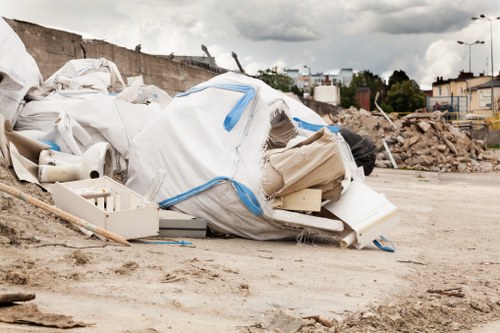 Our rubbish removal waste health and safety policy sets out the standards needed to protect workers, customers, contractors, and the public during all waste handling activities. It applies to every stage of collection, lifting, sorting, loading, transport, and disposal. The aim is to reduce risk, prevent injury, and maintain safe working conditions through consistent control measures, clear responsibilities, and proper supervision. This policy supports safe practice across all waste removal tasks, whether the work involves domestic clearances, commercial rubbish disposal, or one-off bulky item collection.
Policy Purpose
The purpose of this policy is to ensure that all rubbish removal waste operations are carried out in a safe and controlled way. Waste materials can create physical, biological, and environmental hazards if they are not managed properly. Sharp items, heavy loads, unstable piles, contaminated materials, and dust are all common risks. To address these risks, we require careful planning, suitable equipment, and ongoing monitoring of working methods. Every task must be assessed before work begins so that hazards are identified and the right controls are in place.
Responsibilities and Safe Working Standards
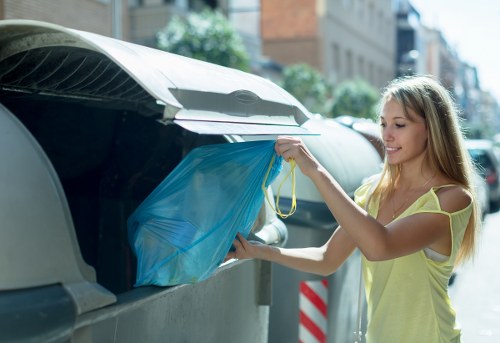 All personnel involved in waste removal services are expected to follow safe systems of work at all times. Managers must make sure the right equipment is available, that workers are trained, and that work is supervised where needed. Employees must take reasonable care for their own safety and that of others, report defects, and stop work if conditions become unsafe. Safe rubbish collection depends on good communication, correct lifting techniques, and the use of protective equipment when handling waste.
Core Safety Measures
Before any rubbish clearance activity starts, the area should be checked for hazards such as broken glass, needles, chemical containers, trip risks, and restricted access points. Loads must be separated where needed to avoid contamination and overloading. Waste should never be carried in a way that blocks vision or causes loss of balance. If items are too large or too heavy for one person, mechanical aids or team lifting must be used. Vehicles used for waste collection must be kept in safe condition, and loads should be secured to prevent movement during transport.
Training, Protective Equipment, and Incident Control
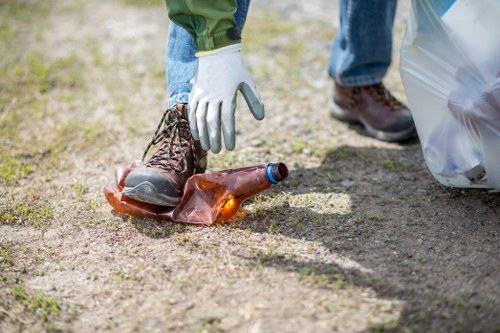 Appropriate training is essential for all staff involved in rubbish waste removal. Training should cover manual handling, hazard recognition, emergency response, segregation of waste types, and the correct use of tools and personal protective equipment. PPE may include gloves, safety footwear, hi-vis clothing, eye protection, and masks depending on the nature of the waste. Equipment must be inspected before use and replaced if damaged. A clean, organised work area helps reduce slips, trips, and cross-contamination during waste clearance activities.
In the event of an incident, workers must follow the agreed emergency procedure and report the matter without delay. Spills, injuries, damaged containers, or exposure to hazardous materials should be dealt with promptly and recorded. First aid support must be available where required, and contaminated materials must be isolated to prevent further harm. Any near miss involving rubbish removal waste should also be reported so that lessons can be learned and future risks reduced. Regular reviews of incidents help improve standards and strengthen safe practice.
Waste Handling and Environmental Protection
Waste must be handled responsibly to reduce harm to people and the environment. Rubbish removal waste should be sorted where appropriate so recyclable materials, general waste, and hazardous items are managed correctly. Hazardous substances must never be mixed with general refuse. Care must also be taken to prevent littering, leaking, and unnecessary damage to floors, walls, or surrounding property. Where waste is stored temporarily, it should be kept in a secure area and protected from weather, pests, and unauthorised access.
Monitoring, Review, and Continuous Improvement
 This policy will be monitored regularly to make sure it remains effective and suitable for waste removal operations. Supervisors should check that safe methods are being followed and that equipment is maintained in good condition. Risk assessments should be updated when work changes, when new waste types are introduced, or after any incident. Workers are encouraged to raise concerns about unsafe practices, poor equipment, or unclear procedures so improvements can be made quickly. A proactive approach helps maintain reliable rubbish disposal standards and keeps operations safer for everyone involved.
 All people involved in rubbish removal waste activities must understand that safety is a shared responsibility. Following this policy helps reduce accidents, protect health, and ensure waste is collected and handled in a controlled manner. By maintaining high standards, using the correct equipment, and applying careful judgement, waste clearance work can be completed efficiently while keeping risks as low as reasonably practicable.