Waste Disposal in London: Practical, Safe, and Efficient Ways to Manage Unwanted Waste
Waste disposal in London is more than a matter of throwing things away. In a city as large, busy, and densely populated as London, proper waste disposal affects public health, property standards, environmental sustainability, and day-to-day convenience for households, landlords, businesses, and construction teams. From everyday rubbish collection to bulky waste, garden clearance, office clear-outs, and construction debris, the demand for reliable waste disposal in London continues to grow.
Whether you live in a flat in Central London, manage a commercial unit in East London, or oversee refurbishment work in South West London, understanding how waste disposal works can save time, reduce stress, and keep your property compliant. With rising expectations around recycling, landfill reduction, and responsible handling of materials, choosing the right waste disposal solution has become essential.
London presents unique waste challenges. Tight parking, restricted access, council collection schedules, mixed-use neighborhoods, and high volumes of packaging, furniture, and renovation waste all shape the way rubbish must be handled. That is why waste disposal in London is not just about removal; it is about efficiency, legality, and environmental responsibility.
Why Waste Disposal in London Matters
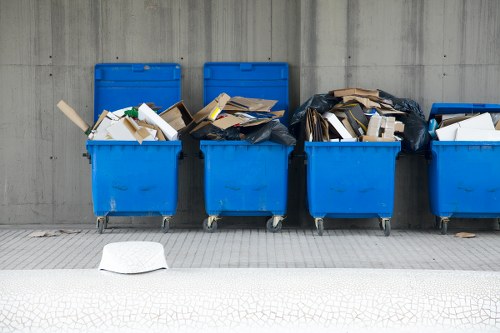
The scale of waste disposal in London is immense. Millions of residents, thousands of businesses, and a constant flow of building, retail, and hospitality activity all contribute to waste generation every day. If waste is not managed correctly, it can quickly lead to blocked access routes, pest problems, unpleasant odors, and a negative impact on surrounding communities.
One of the most important reasons to prioritize responsible waste disposal in London is environmental protection. The city is under increasing pressure to reduce landfill use and improve recycling performance. By separating recyclable materials, reusing items where possible, and choosing licensed waste carriers, residents and businesses can contribute to a cleaner, more sustainable city.
There is also a legal side to consider. In London, waste must be handled in line with local authority rules and national regulations. Businesses, in particular, have a duty of care to ensure waste is stored, transferred, and disposed of properly. Using an unlicensed provider or leaving rubbish on the street can result in fines and enforcement action. Responsible waste disposal in London helps avoid these issues while supporting a safer urban environment.
Common Types of Waste Disposal in London

London generates a wide variety of waste streams, and the right disposal method depends on the material type, volume, and location. Some waste is straightforward, while other items require specialist handling. Understanding the main categories helps households and businesses make better decisions.
Household rubbish
Household waste includes food packaging, broken household items, old clothes, worn-out toys, and general black-bag rubbish. In many parts of the city, local councils provide regular collection services, but these may not be enough when you are decluttering, moving home, or dealing with extra waste after an event.
Bulky waste
Bulky waste refers to items too large for standard bins, such as sofas, mattresses, wardrobes, and white goods. Waste disposal in London often includes arranging special collection or hiring a rubbish clearance team to remove these items quickly and safely.
Commercial waste
Offices, shops, restaurants, and warehouses produce commercial waste such as paper, cardboard, food waste, plastics, damaged stock, and packaging. Efficient waste disposal in London for businesses is critical to maintaining a professional workspace and meeting compliance obligations.
Construction and renovation waste
Builders’ waste often includes plasterboard, timber, tiles, rubble, metal, insulation, and old fixtures. This type of waste usually needs a more specialized disposal route because it may be heavy, mixed, and potentially hazardous. Construction waste disposal in London is frequently managed through skip hire, grab hire, or licensed rubbish clearance services.
How Waste Disposal in London Works

Although waste disposal in London may seem simple on the surface, the process can involve several stages. For households, the process often begins with sorting waste into bins, recycling containers, and donation or reuse piles. For larger jobs, a waste clearance company may visit the property, load the waste, transport it, and then sort it at a licensed facility.
Many professional providers of waste disposal in London will first assess the amount and type of rubbish. This helps determine whether the load can be removed using a van, whether a skip is more appropriate, or whether certain items need separate treatment. Proper assessment is especially important for mixed loads that contain both recyclable and non-recyclable materials.
After collection, waste is usually transported to a transfer station or recycling facility. There, materials are sorted into categories such as metals, wood, cardboard, green waste, and inert construction materials. The more waste that can be recycled or reused, the lower the environmental burden. This is one reason why modern waste disposal in London increasingly focuses on recovery rather than simple dumping.
Key steps in the waste disposal process
- Waste identification and volume assessment
- Sorting recyclable and non-recyclable materials
- Collection by a licensed carrier
- Transport to a transfer, recycling, or disposal facility
- Final treatment in line with regulations
Residential Waste Disposal in London

Homeowners, tenants, and landlords all rely on effective waste disposal in London at different times. Residential needs can range from routine bin collection to one-off clearances after moving house, renovating a kitchen, or cleaning out a loft, garage, or basement. In a city where property space is often limited, waste can pile up quickly if it is not removed on time.
Many residents use council services for everyday rubbish and recycling, but these services have limits. Missed collections, bulky item restrictions, and volume caps can create frustration. That is where private waste disposal in London becomes useful. A professional service can remove waste on a chosen date, handle heavy lifting, and dispose of everything responsibly without the homeowner needing to rent a vehicle or visit a tip.
Residential waste disposal is also valuable during life transitions. Whether a family is downsizing, preparing a flat for new tenants, or clearing out a deceased estate, the emotional and physical burden of sorting through belongings can be significant. In these situations, a discreet and efficient waste disposal service can make the process much easier while ensuring items are separated for reuse, recycling, or disposal.
Typical residential waste items
- Old furniture and mattresses
- Broken appliances and electronics
- Clothing, books, and household clutter
- Garden waste and soil
- Packaging, general rubbish, and DIY debris
Reliable waste disposal in London gives residents flexibility, convenience, and peace of mind.
Commercial Waste Disposal in London

Businesses across the capital depend on efficient waste disposal in London to keep their operations running smoothly. Commercial premises often generate larger volumes of waste than homes, and they may also create specialized waste streams that need careful handling. Offices, retail stores, restaurants, salons, and hospitality venues all require tailored disposal approaches.
For office environments, common waste includes paper, cardboard, packaging, outdated electronics, office furniture, and confidential materials. In retail and hospitality, waste disposal in London may involve food waste, display materials, damaged inventory, and regular packaging from deliveries. These items can accumulate fast, especially in high-traffic areas where storage space is at a premium.
Businesses benefit from scheduled collections, clear waste segregation, and compliance-focused handling. Some providers offer recurring commercial collections, while others specialize in same-day removals for urgent clearances. In both cases, the goal is to reduce disruption, improve hygiene, and make sure waste is transferred to the correct facility.
Why businesses should prioritize proper disposal
- It supports a clean and professional image.
- It reduces health and safety risks.
- It helps meet legal and environmental obligations.
- It improves space management in offices and storage areas.
- It can increase recycling and recovery rates.
When businesses invest in organized waste disposal in London, they protect their reputation and make daily operations more efficient.
Construction Waste Disposal in London
Construction and refurbishment projects are a major source of waste disposal in London. From small home improvements to major commercial developments, building work generates large and often heavy volumes of waste. Common materials include bricks, plaster, concrete, timber, metal, packaging, and old fixtures. Some materials are recyclable, while others may need specialist disposal.
Because construction sites are often space-restricted, waste can obstruct work areas, slow progress, and create safety hazards if not managed properly. That is why builders, contractors, and developers frequently use skip hire, grab hire, or dedicated waste removal services. The right option depends on the project size, access to the site, and how quickly waste needs to be cleared.
Construction waste disposal in London also requires attention to material segregation. Keeping clean wood separate from rubble, and metals separate from mixed waste, can improve recycling outcomes and reduce disposal costs. In some cases, certain items such as asbestos, treated timber, or electrical components may require specialist handling.
Best practices for building waste
- Plan waste removal before work begins
- Keep hazardous materials separate
- Use licensed carriers only
- Choose the right container or vehicle for access
- Prioritize reusable and recyclable materials
For renovation projects of any size, efficient waste disposal in London helps keep the job site tidy, safe, and productive.
Environmental Responsibility and Recycling
Modern waste disposal in London is closely tied to sustainability. As the city continues to push toward lower emissions and reduced landfill reliance, residents and businesses are being encouraged to think more carefully about how they discard unwanted items. Recycling is no longer a bonus; it is an essential part of effective waste management.
Many materials can be recovered from waste streams if they are sorted properly. Paper, cardboard, glass, metals, plastics, wood, and certain textiles can often be processed for reuse. Garden waste can sometimes be composted or converted into soil improver, while some electrical items can be dismantled and recycled for parts. The more that can be diverted from landfill, the better the environmental result.
Choosing a service that supports recycling is one of the simplest ways to improve waste disposal in London. Instead of seeing waste as a single mixed load, responsible providers separate items wherever possible. This creates less environmental impact and often makes disposal more cost-effective too.
Environmental benefits of responsible disposal
- Reduced landfill use
- Lower carbon footprint from recovered materials
- Less pollution from improper dumping
- Better use of natural resources
- Improved community cleanliness
If you care about sustainability, waste disposal in London should always include recycling-focused solutions.
Legal Requirements for Waste Disposal in London
There are clear rules governing waste disposal in London, and ignoring them can cause real problems. Individuals and businesses have a duty to ensure their waste is collected, transported, and processed by a licensed operator. Fly-tipping, illegal dumping, and improper storage are all serious issues that damage neighborhoods and create costly cleanup work.
One of the most important legal points is duty of care. This means the person or business producing waste is responsible for making sure it is handed to an authorized carrier. Before hiring anyone for waste disposal in London, it is wise to check that they are licensed and that they can show where the waste will go. This helps protect you from liability if waste is later found dumped illegally.
It is also important to note that certain items need special treatment. Electrical goods, refrigerants, batteries, chemicals, paints, and clinical materials may not be handled like normal rubbish. If your waste disposal in London includes hazardous materials, make sure the provider has the proper expertise and permits.
Signs of a reputable waste provider
- They hold a valid waste carrier license.
- They provide clear documentation or receipts.
- They explain how recycling and disposal are handled.
- They offer transparent pricing.
- They respect safety and access rules on site.
Choosing the Right Waste Disposal Service in London
With so many options available, choosing the right waste disposal in London service can feel overwhelming. The best provider will depend on your location, the type of waste, the volume of material, and how urgently the rubbish needs to be removed. A careful choice can save time, reduce costs, and improve the recycling outcome.
Start by identifying the job clearly. Is it a one-off household clearance, ongoing commercial waste collection, or a construction project that will produce repeated loads? Different services are designed for different tasks. Some focus on same-day rubbish removal, while others are set up for recurring collections or large-scale site clearance.
Price matters, but it should not be the only factor. Low-cost waste disposal in London can sometimes mean poor service, limited recycling, or unlicensed dumping. A better option is to look for value: prompt service, legal compliance, clear communication, and strong environmental practices. This approach is usually more efficient in the long run.
Questions to ask before booking
- What types of waste do you collect?
- Are you a licensed waste carrier?
- Do you recycle as much as possible?
- Can you handle heavy items or restricted access?
- Is same-day or next-day collection available?
Book your service now if you want a fast, compliant, and practical waste disposal solution in London.
Waste Disposal in London for Different Boroughs and Property Types
London is not a single uniform market. Waste disposal in London varies depending on the borough, the type of property, and the accessibility of the site. A basement flat in Camden may require different handling from a townhouse in Kensington or a warehouse unit in Barking. Narrow roads, permit zones, low-emission areas, and limited parking can all influence how waste is collected.
In apartment buildings, access management is often the biggest challenge. Waste may need to be carried through communal halls, down staircases, or via service lifts. For landlords and managing agents, coordinating waste disposal in London means balancing tenant convenience with building rules and hygiene standards. In contrast, detached homes and commercial premises may offer easier loading access but larger volumes of rubbish.
Some boroughs also have stronger recycling expectations or local collection restrictions than others. That makes it even more important to work with a team that understands the practical side of waste disposal in London and can adapt to local conditions. Experience matters when a vehicle needs to arrive at a busy street, negotiate parking limits, and complete the job quickly.
Property-specific challenges
- Flats: stair access, lifts, and communal areas
- Shops: narrow opening hours and back-of-house limitations
- Offices: confidential materials and electronics
- Construction sites: heavy loads and safety controls
- Gardens: soil, branches, and green waste
Cost Factors in Waste Disposal in London
Understanding cost helps residents and businesses budget more effectively for waste disposal in London. Prices vary depending on the volume of waste, the type of materials, access to the site, labor requirements, and disposal fees. Heavy or hazardous items usually cost more because they require extra handling and specialized treatment.
Another factor is how quickly the waste needs to be removed. Same-day waste disposal in London may cost more than a scheduled collection, but it can be worth it if you need space cleared urgently. Similarly, a mixed load with non-recyclable materials may be more expensive than a sorted load that contains mainly recyclable items.
To manage cost well, it is useful to separate waste in advance and be clear about the items that need removing. Good planning can reduce labor time and allow the provider to send the right vehicle. In many cases, efficient preparation makes waste disposal in London cheaper and faster.
Tip: If your waste includes furniture, appliances, and reusable items, ask whether anything can be diverted to reuse or recycling before the final disposal step. That small action can improve both affordability and sustainability.
Why Professional Waste Disposal in London Is Worth It
Some people try to handle rubbish removal themselves, but professional waste disposal in London often offers better results. Renting a van, loading heavy items, finding a legal disposal point, and navigating traffic or parking restrictions can take much longer than expected. It can also be physically demanding and, if done incorrectly, risky.
A professional service brings convenience and expertise. The team can handle heavy lifting, sort materials properly, and ensure everything is transported to the correct facility. For businesses, this reduces disruption and helps maintain a safe, organized environment. For homeowners, it removes the stress of moving large or awkward items down stairs or through tight spaces.
Professional waste disposal in London is also beneficial when time matters. End-of-tenancy deadlines, renovation schedules, and business openings often leave no room for delays. By choosing experienced help, you can keep your plans on track while avoiding compliance issues and unnecessary effort.
Main advantages
- Faster clearance and less disruption
- Safer handling of heavy or awkward waste
- Improved recycling and reuse
- Compliance with local rules
- Convenient service tailored to your needs
Final Thoughts on Waste Disposal in London
Waste disposal in London is an essential service that supports the city’s homes, businesses, building projects, and public spaces. With so many different waste types and site conditions to consider, the best results come from planning carefully and choosing a provider that combines efficiency with environmental responsibility.
From household clearances and commercial collections to construction debris and bulky item removal, the right waste disposal in London solution can save time, improve safety, and reduce environmental impact. By focusing on recycling, legal compliance, and practical collection methods, you can manage waste more effectively and contribute to a cleaner city.
If you are dealing with unwanted rubbish, renovation debris, or ongoing commercial waste, do not wait until it becomes a problem. Contact us today to discuss the best solution for your needs and book your service now for fast, reliable waste disposal in London that works around your schedule.