Commercial Waste Disposal in London: Efficient, Compliant, and Cost-Effective Solutions for Businesses
Commercial waste disposal in London is a critical part of running a responsible, efficient, and compliant business. Whether you manage a busy office, a retail store, a restaurant, a construction site, or a multi-site operation, the way you handle waste affects costs, hygiene, sustainability, and your reputation. In a city as fast-moving and regulated as London, businesses need a waste strategy that is practical, reliable, and tailored to local requirements.
From mixed recyclables and food waste to bulky items, confidential documents, and hazardous materials, commercial waste disposal in London covers a wide range of services designed to keep workplaces clear and compliant. Choosing the right approach helps reduce operational disruption, supports environmental goals, and ensures your business meets legal duties.
In this article, we explore how commercial waste disposal works in London, the types of waste businesses generate, the rules to follow, and the benefits of working with a trusted provider. You will also learn how to improve recycling rates, lower disposal costs, and create a cleaner working environment.
Why Commercial Waste Disposal in London Matters

London is home to thousands of businesses across sectors like hospitality, retail, construction, healthcare, education, and professional services. Each of these industries produces different waste streams, and managing them properly is essential. Commercial waste disposal in London is not just about removing rubbish; it is about protecting public health, reducing environmental impact, and keeping business operations efficient.
For many companies, waste can build up quickly if it is not handled through a structured collection and disposal plan. Overflowing bins, contamination of recyclables, and improper storage can create hygiene problems and attract unwanted attention from regulators. A well-organised commercial waste disposal in London service helps prevent these issues before they become costly.
There is also a strong sustainability angle. Businesses are under increasing pressure to reduce landfill use, improve recycling, and demonstrate environmentally responsible practices. Efficient commercial waste disposal in London supports these objectives while helping businesses maintain a professional image.
Types of Commercial Waste Generated by London Businesses

Commercial waste comes in many forms, and understanding the categories is the first step to better management. A reliable commercial waste disposal in London provider will usually separate waste into specific streams to maximise recycling and ensure safe handling.
Common waste types include:
- General business waste – everyday non-recyclable rubbish from offices, shops, and workplaces.
- Cardboard and paper – packaging, office paper, and shipping materials.
- Food waste – generated by restaurants, cafés, hotels, and canteens.
- Glass and plastics – bottles, containers, and packaging materials.
- Metal waste – cans, fixtures, and fabrication offcuts.
- Electrical waste – obsolete computers, printers, and electronic equipment.
- Bulky waste – furniture, shelving, and large office items.
- Construction and demolition waste – rubble, timber, plasterboard, and site materials.
- Hazardous waste – chemicals, solvents, oils, and certain industrial residues.
Each waste stream requires a different collection and treatment method. Commercial waste disposal in London becomes far more effective when businesses separate materials properly at the point of generation. This not only supports recycling but also helps reduce disposal fees.
For example, clean cardboard is often cheaper to process than mixed waste. Similarly, food waste can be diverted from landfill through specialist collections. The more accurately waste is sorted, the more efficient the overall disposal system becomes.
How Commercial Waste Disposal in London Works

Commercial waste disposal in London typically starts with a waste assessment. A provider may review the amount and type of waste your business creates, the frequency of collection needed, and any special handling requirements. This allows them to design a collection schedule that fits your operations.
Once a service is arranged, waste is usually collected from your premises at agreed times. Depending on the agreement, this may involve bins, sacks, containers, skips, or specialist storage units. Many commercial waste disposal in London services offer flexible collection intervals, from daily and weekly pickups to one-off clearances.
After collection, waste is transported to licensed transfer stations, recycling facilities, or disposal sites. Recyclable materials are separated and processed for reuse, while residual waste is treated according to environmental regulations. This chain of handling is important because it ensures compliance and reduces the amount of waste sent to landfill.
Businesses that adopt a structured waste removal process often find that their premises remain cleaner and more organised. A dependable commercial waste disposal in London arrangement can also help reduce time spent by staff managing waste internally.
Legal Responsibilities for Businesses in London

Businesses have a legal duty to manage their waste properly. Commercial waste disposal in London is governed by environmental regulations that require businesses to store, transfer, and dispose of waste responsibly. Failure to comply can result in penalties, reputational damage, and operational disruption.
Key responsibilities include:
- Duty of care compliance – businesses must ensure waste is handled by authorised carriers and taken to licensed facilities.
- Waste transfer notes – these documents record what waste is transferred, when, and to whom.
- Correct segregation – certain waste types should be separated to support recycling and safe treatment.
- Secure handling – hazardous or confidential waste must be stored safely and disposed of appropriately.
- Record keeping – businesses should retain documentation for inspections and audits.
Commercial waste disposal in London is not an area where businesses can afford to be casual. Illegal dumping, poor storage, and using unlicensed operators can create serious problems. Working with a legitimate provider helps ensure that your waste is managed in line with local and national rules.
It is also worth remembering that different sectors have different compliance needs. For example, food businesses may need stricter organic waste handling, while offices may focus more on recycling and data security for confidential waste. A tailored commercial waste disposal in London solution helps businesses stay on the right side of the law.
Benefits of Professional Commercial Waste Disposal in London
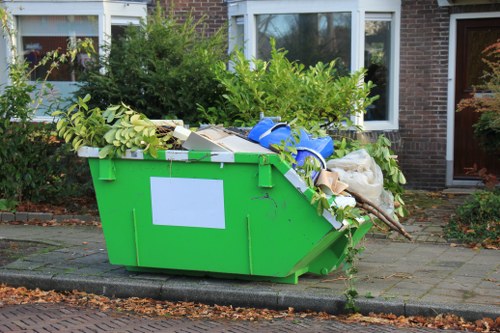
Outsourcing waste management offers many advantages. For most businesses, professional commercial waste disposal in London is more practical and cost-effective than handling waste internally. It removes the burden from staff, reduces risk, and creates a cleaner working environment.
Major benefits include:
- Improved efficiency – staff can focus on core tasks instead of waste handling.
- Better compliance – licensed providers help businesses meet legal requirements.
- Cleaner premises – regular collections reduce clutter, odour, and pest risks.
- Higher recycling rates – materials are sorted and diverted from landfill where possible.
- Cost control – tailored schedules and waste segregation can reduce unnecessary fees.
- Scalable service – collections can grow or change as your business evolves.
A good commercial waste disposal in London service also supports brand reputation. Customers and employees increasingly expect businesses to act responsibly, especially in areas like sustainability and cleanliness. A visible commitment to better waste management can strengthen trust and support broader environmental objectives.
When waste is handled properly, operations also tend to run more smoothly. Loading bays stay clearer, storage areas remain more usable, and staff spend less time dealing with waste-related problems. That is why commercial waste disposal in London is often viewed as a practical business investment rather than a simple overhead.
Commercial Waste Disposal in London for Different Industries
Different industries create different waste challenges, so commercial waste disposal in London must be adaptable. A one-size-fits-all approach rarely works well. The most effective services are designed around the specific demands of each business sector.
Offices
Office waste often includes paper, cardboard, packaging, food leftovers, and outdated IT equipment. Many offices also need confidential waste services for documents containing sensitive information. A well-planned commercial waste disposal in London service can improve recycling and reduce the volume of general waste produced.
Retail
Shops and retail chains generate packaging, damaged stock, hangers, fixtures, and promotional materials. Seasonal peaks, such as Christmas or sale periods, can cause waste volumes to rise quickly. Flexible commercial waste disposal in London collections are useful for keeping back-of-house areas tidy and efficient.
Hospitality
Restaurants, cafés, bars, and hotels often produce large amounts of food waste, glass, cardboard, and mixed recyclables. Hygiene is particularly important in this sector, so regular commercial waste disposal in London is essential. Food waste collections can also help businesses improve sustainability performance.
Construction and Trades
Construction sites create heavy, awkward, and sometimes hazardous waste streams. Rubble, timber, metal, plasterboard, and packaging must be handled safely and efficiently. Commercial waste disposal in London for construction often includes skips, grab lorries, or specialist containers.
Healthcare and Education
Clinics, schools, colleges, and other institutions may need specialist services for confidential documents, clinical waste, or large volumes of mixed refuse. In these environments, commercial waste disposal in London must balance compliance, safety, and consistency.
Recycling and Sustainability in Commercial Waste Disposal in London
Recycling is now central to modern waste management. Businesses that want to reduce their environmental footprint should look closely at how commercial waste disposal in London can support recycling targets. The more waste that can be recovered and reused, the less ends up in landfill or energy-intensive disposal routes.
Many providers now offer segregated collections for paper, cardboard, plastics, glass, metals, and food waste. This makes commercial waste disposal in London more sustainable and often more economical. Clean material streams are easier to recycle and can reduce the overall cost of waste management.
Businesses can improve sustainability further by training staff in correct sorting, reducing unnecessary packaging, and reviewing procurement practices. Even small changes can make a meaningful difference over time. A responsible commercial waste disposal in London plan should always include practical recycling measures.
Ways to improve recycling rates
- Use clearly labelled bins for each waste stream.
- Keep recyclable materials clean and dry.
- Train employees on what can and cannot be recycled.
- Reduce single-use items where possible.
- Review waste audits to spot improvement opportunities.
Choosing the Right Commercial Waste Disposal Partner
Selecting the right provider is one of the most important decisions a business can make. A reliable commercial waste disposal in London partner should offer more than basic collection. They should understand local regulations, provide flexible services, and help your business manage waste more intelligently.
What to look for in a provider
- Licensing and compliance – ensure they are authorised to collect and transfer waste.
- Flexible schedules – collections should match your business needs.
- Transparent pricing – clear costs help avoid hidden charges.
- Recycling focus – look for a provider that prioritises recovery and diversion from landfill.
- Sector experience – industry-specific knowledge can improve service quality.
- Responsive support – quick adjustments are helpful when waste volumes change.
Questions worth asking before you commit
- What waste streams do you handle?
- How often can collections be arranged?
- Do you provide recycling reports or waste audits?
- How do you support compliance documentation?
- Can the service scale as our business grows?
A strong commercial waste disposal in London provider should make the process straightforward. If a business spends too much time managing collections, chasing paperwork, or dealing with missed pickups, the service is not delivering enough value.
Book your service now if you are ready to improve waste handling, increase efficiency, and simplify compliance. The right provider can make commercial waste disposal in London much easier to manage.
Cost Factors in Commercial Waste Disposal in London
Pricing for commercial waste disposal in London depends on several variables. Understanding these factors can help businesses budget more accurately and avoid unnecessary spending. In many cases, simple changes to waste habits can reduce costs significantly.
Some of the main cost drivers include the volume of waste, the type of waste produced, how often it is collected, and whether specialist handling is required. For example, general waste may be more expensive to dispose of than segregated cardboard or recyclables. Likewise, hazardous or confidential waste will usually require more controlled treatment.
Access can also affect pricing. If collections are difficult to carry out due to restricted loading areas, limited parking, or site restrictions, additional time may be needed. This is why commercial waste disposal in London works best when the collection plan is aligned with the actual layout and rhythm of the business.
How to control disposal costs
- Separate recyclable materials from general waste.
- Use the right container size to avoid overfilling.
- Reduce contamination in recycling bins.
- Review collection frequency regularly.
- Carry out a waste audit to identify avoidable waste.
Common Problems Businesses Face with Waste Disposal
Even with the best intentions, waste management can become inefficient if it is not reviewed regularly. Many businesses experience problems such as overflowing bins, poor segregation, missed collections, and confusion about what can be recycled. Commercial waste disposal in London can solve these issues, but only if the service is well-designed and actively managed.
Another common issue is contamination. If recyclable material is mixed with food waste, liquids, or non-recyclable items, whole loads may need to be treated as general waste. That increases costs and reduces sustainability performance. Proper staff training is therefore an important part of effective commercial waste disposal in London.
Businesses also sometimes underestimate how much waste they produce. Growth, seasonal demand, refurbishments, and changing consumer habits can all alter waste volumes. A flexible commercial waste disposal in London arrangement makes it easier to adapt without disruption.
Best Practices for Smarter Waste Management
Improving waste management does not always require major investment. Often, small operational changes can deliver noticeable gains. A smarter commercial waste disposal in London plan should aim to reduce waste at source, improve segregation, and ensure collection systems are easy for staff to use.
Begin by reviewing what is being thrown away and why. If packaging is excessive, work with suppliers to reduce it. If recyclable materials are being placed in general waste, improve signage and bin placement. If collections are too frequent or not frequent enough, adjust the schedule accordingly. Commercial waste disposal in London becomes more effective when decisions are based on actual usage data rather than guesswork.
Businesses can also assign responsibility for waste oversight to a specific team member or facilities manager. This helps ensure the process is monitored, issues are spotted early, and service levels remain consistent.
Practical steps to take
- Run a waste audit.
- Separate waste into clear categories.
- Train staff on disposal rules.
- Monitor collection performance.
- Review the service regularly.
The Future of Commercial Waste Disposal in London
The future of commercial waste disposal in London is likely to be shaped by stronger environmental expectations, improved recycling technologies, and greater pressure to reduce landfill use. Businesses will increasingly need waste solutions that support circular economy principles and lower carbon impact.
Digital reporting, smarter route planning, and more efficient sorting systems are becoming more common. These improvements help providers deliver better service and enable businesses to understand where waste reductions are possible. As regulation continues to evolve, commercial waste disposal in London will remain an essential part of business planning.
Companies that act early to improve their systems will be better positioned to adapt. Whether the goal is to save money, improve compliance, or meet sustainability targets, modern commercial waste disposal in London offers practical tools to get there.
Conclusion: Make Commercial Waste Disposal in London Work for Your Business
Commercial waste disposal in London is far more than a routine collection service. It is a core part of running a clean, compliant, and efficient business. When managed well, it supports recycling, reduces operational risks, improves workplace conditions, and helps your organisation meet environmental responsibilities.
By understanding your waste streams, choosing the right provider, and building a clear disposal strategy, you can turn waste management into a business advantage. From offices and shops to restaurants and construction sites, every organisation can benefit from a more structured approach to commercial waste disposal in London.
If you are ready to improve efficiency, reduce waste costs, and strengthen your compliance posture, contact us today to explore the best solution for your premises. Book your service now and take the next step toward smarter commercial waste disposal in London.