Garden Clearance in London: A Practical, Stylish, and Eco-Friendly Approach to Outdoor Space Recovery
Why Garden Clearance in London Matters for Homes and Businesses
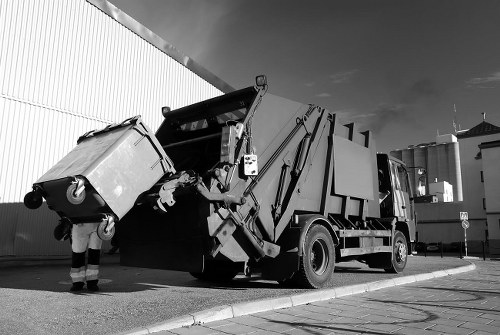
Garden clearance in London is more than a seasonal tidy-up. In a city where outdoor space is often limited, every square metre matters. Whether you have a compact back garden in a terrace house, a shared courtyard behind a commercial property, or an overgrown outdoor area that has been neglected for months, a professional garden clearance service can transform the space quickly and efficiently.
London properties face unique pressures. Limited storage, dense housing, strict local waste rules, and fast-growing vegetation all make garden clearance a task that is easy to postpone and difficult to ignore. Over time, fallen branches, broken furniture, soil, leaves, weeds, and old fencing can build up, making the garden look untidy and reducing its usability. A proper garden clearance in London helps restore order, improve safety, and create a fresh foundation for landscaping, planting, or simple relaxation.
For many households and businesses, the appeal of garden clearance is practical as well as visual. It can make the area safer for children and pets, reduce trip hazards, discourage pests, and improve drainage. It also supports property value because a clean and usable garden often creates a stronger first impression than one that is overgrown or cluttered. In a competitive housing market, small improvements can make a meaningful difference.
What Garden Clearance Usually Includes

Every garden clearance project is slightly different, but the core aim is always the same: remove unwanted outdoor waste and leave the space ready for the next stage. Depending on the condition of the garden, the work may include leaf clearance, hedge cuttings, weed removal, lawn cutting, green waste collection, and disposal of old items such as pots, broken garden tools, timber, sheds, or damaged outdoor furniture.
In many cases, a garden clearance London service also handles heavier and more awkward materials. This can include soil, rubble, tree trunks, bulky plant debris, and even dismantled structures. When needed, the team may separate recyclable green waste from general waste so that disposal is handled responsibly and in line with environmental standards.
Typical garden clearance tasks may include:
- Removing overgrown plants, brambles, ivy, and weeds
- Collecting and loading leaves, branches, and hedge trimmings
- Taking away old garden furniture and broken fixtures
- Dismantling sheds, fences, or compost bins where required
- Clearing soil, turf, and rubble from landscaping projects
- Bagging, loading, and disposing of garden waste correctly
Some clients only need a light tidy-up after autumn or winter. Others require a full clearance of a neglected or vacant garden. A well-organised service can be adapted to either situation, saving time and removing the stress of doing everything yourself.
Who Benefits from Garden Clearance Services?

Garden clearance in London is useful for a wide range of property owners. Homeowners often request the service before spring planting, after long periods away, or when the garden has become too difficult to manage. Landlords and letting agents use it between tenancies to make outdoor spaces presentable for new occupants. Commercial property managers may also need garden clearance for offices, restaurants, schools, apartment blocks, or retail spaces with outdoor areas.
It is especially valuable for people who lack the time, tools, or physical ability to clear a garden themselves. Heavy lifting, repeated bending, and the need to navigate awkward access routes can make outdoor clearance exhausting. Hiring a team for garden clearance in London reduces the workload and helps ensure the job is completed efficiently and safely.
Garden clearance is often the right choice when:
- The garden has become overgrown and unusable
- You are preparing a property for sale or rent
- You want to redesign the outdoor area from scratch
- You need waste removed after pruning or landscaping
- You have inherited a property with a neglected garden
The London Advantage: Why Local Knowledge Helps
London is a city of tight spaces, controlled access, busy roads, and varied property layouts. From narrow side passages to rooftop terraces and shared mews gardens, garden clearance often involves more than simply picking up waste. A local team understands how to work around restricted access, parking challenges, and borough-specific disposal rules.
Common Reasons Gardens Become Overgrown

There are many reasons why a garden may need clearance. In London, the pace of life means outdoor maintenance can easily be delayed. Even a few missed weekends during spring and summer can allow weeds and fast-growing plants to spread. Rain, shade, and fertile soil can make growth even more vigorous, especially in hidden corners and boundary edges.
Vacant properties are another common cause. When a home is empty during renovation, sale, or tenant turnover, the garden may be left unattended for months. Without regular care, debris accumulates, and nature takes over. A neglected garden can become difficult to restore without a structured clearance plan.
Other common causes include storm damage, seasonal leaf fall, construction work, or simply a lack of tools and storage space. In urban areas, many households do not have a compost bin, van, or council collection capacity large enough for substantial garden waste. That is why garden clearance London services are often a practical solution for busy residents and property managers.
Weather also plays a major role. Strong winds can scatter branches, fencing, and litter into the garden. Heavy rain may leave soggy soil, damaged beds, and pools of standing water. A thorough clearance can reset the area and make it easier to spot underlying issues such as poor drainage, broken paving, or unstable borders.
How Professional Garden Clearance in London Works

Professional garden clearance usually begins with an assessment of the outdoor space. The team identifies the volume and type of waste, checks access points, and determines whether any items need to be dismantled or sorted separately. This planning stage is important because garden clearance in London often takes place in spaces where access is limited and efficiency matters.
Once the scope of work is clear, the clearance begins with the removal of loose waste and larger obstacles. Overgrown vegetation may be cut back first so that the team can move safely through the space. Then green waste, timber, furniture, and other debris are collected, loaded, and transported away for disposal or recycling.
In many cases, the final stage includes a light sweep or rake-through to leave the garden tidy and usable. Some services also offer additional support such as soil levelling, pressure washing, or preparation for landscaping. This makes garden clearance in London especially useful when a property is being prepared for a bigger outdoor project.
Steps commonly involved in a professional clearance:
- Inspect the area and identify clearance needs
- Separate recyclable and non-recyclable materials
- Remove waste, cut back plants, and load debris
- Dispose of garden materials responsibly
- Leave the space neat, safe, and ready for use
Why Eco-Friendly Disposal Matters
Modern garden clearance in London is increasingly focused on sustainability. With environmental awareness growing, many customers want assurance that their green waste will not simply be dumped in landfill. Eco-friendly disposal methods help reduce environmental impact and support better resource use.
Green waste such as branches, grass cuttings, and leaves can often be composted, recycled, or turned into mulch. Wood, metal, and some plastics may also be separated for recycling. By choosing a responsible garden clearance London provider, clients can make sure their outdoor waste is managed in a way that aligns with environmental best practice.
This matters not just for large-scale clearances but also for everyday tidy-ups. A bag of leaves or a pile of pruned branches may seem minor, but collectively these materials add up. Responsible disposal supports cleaner streets, lower landfill use, and a more sustainable city.
Eco-friendly benefits include:
- Less waste sent to landfill
- Better use of recyclable and compostable materials
- Reduced environmental impact from transport and disposal
- Cleaner and more responsible property maintenance
For customers who value sustainability, it is worth asking how materials are sorted and where they go after collection. A trustworthy service should be able to explain its approach clearly and confidently.
Challenges Unique to Garden Clearance in London
Clearing a garden in London can be more difficult than clearing one in a suburban or rural area. Space is usually tighter, parking is harder to arrange, and access may involve stairs, narrow hallways, shared gates, or rear alleyways. These issues affect how efficiently waste can be removed and may influence the amount of labour required.
Noise restrictions, neighbour proximity, and local council requirements can also affect the job. In densely populated streets, a clearance team needs to work carefully and respectfully to avoid disruption. This is one reason why hiring experienced help for garden clearance in London can save time and reduce stress.
Some clearances are complicated by the volume and condition of the waste. Heavy pots filled with compacted soil, tangled roots, waterlogged branches, or broken structures may require extra effort. In older properties, there may also be hidden hazards such as broken glass, rusted metal, or unstable paving stones. A professional team is more likely to handle these issues safely.
Access and logistics often require planning
Before clearance begins, it helps to think about where waste will be carried out, where vehicles can stop, and whether any items need to be taken apart before removal. Good planning can reduce delays and prevent damage to walls, floors, and neighboring areas.
Seasonal Garden Clearance: When to Book
Although garden clearance can be carried out at any time of year, certain seasons create stronger demand. Spring is a popular time because many people want to refresh the garden after winter. Autumn is another key period, especially when fallen leaves and storm debris start to build up. Summer often brings rapid plant growth, while winter clearances are useful after harsh weather or before renovation work begins.
For the best results, think about your garden’s condition rather than only the calendar. A garden clearance in London may be needed after a single storm, a long holiday, or a building project. In other cases, a once-a-year tidy-up may be enough to keep the outdoor space under control.
Useful booking times include:
- Before spring planting begins
- After autumn leaf fall
- Before a property viewing or rental inspection
- After construction, roofing, or landscaping work
- When preparing for a garden redesign
The earlier you arrange the service, the easier it is to secure a convenient time slot and complete the work before the mess gets worse.
Garden Clearance, Garden Waste Removal, and Garden Maintenance
Although the terms are often used together, garden clearance is not the same as garden maintenance. Clearance focuses on removing waste, overgrowth, and unwanted items. Maintenance is more regular and may include mowing, trimming, watering, and general upkeep. In many cases, clients need a clearance first and then ongoing maintenance later.
Garden waste removal is a central part of the process. Once the unwanted material has been collected, it must be transported and processed correctly. This is where a dedicated garden clearance London service offers value, because it combines labour, lifting, transport, and disposal in one organised service.
After clearance, the space may be ready for further work such as:
- New lawn installation
- Planting beds and borders
- Fence repairs or replacement
- Patio or pathway installation
- Regular seasonal maintenance
By starting with a clean and clear outdoor area, every future improvement becomes easier. It is much simpler to design, landscape, and maintain a space that is free from debris and overgrowth.
Safety Considerations During Garden Clearance
Safety should never be overlooked during garden clearance in London. Overgrown gardens may hide hazards such as sharp metal, uneven ground, glass, pests, or unstable structures. Even simple tasks like lifting branches or moving piles of waste can cause strain if done incorrectly.
Professional clearance teams use safer methods for lifting, carrying, cutting, and loading. They also know how to manage heavy or awkward items without causing damage to the property. For homeowners doing the work themselves, it is important to wear gloves, sturdy footwear, and protective clothing, and to avoid overloading bags or lifting beyond safe limits.
Common safety tips for garden clearance:
- Wear thick gloves and strong footwear
- Check for hidden hazards before starting
- Cut back dense growth in stages
- Lift with care and avoid overfilling bags
- Keep pathways clear during the clearance
Because many London gardens are compact and enclosed, safe movement is particularly important. A careful approach reduces the risk of accidents and helps keep the process efficient.
How Garden Clearance Can Improve Property Value and Appeal
A tidy garden can significantly enhance the overall look of a property. Buyers, tenants, and visitors often notice the outdoor space early, and a clean garden suggests that the home has been properly maintained. This is especially valuable in London, where external space can be a major selling point.
Garden clearance in London can also improve photographs for property listings. A messy garden can distract from the features of the home, while a clean, open, and usable space creates a better visual impression. This may help a property feel larger, brighter, and more cared for.
For landlords, clearance is a simple way to support quicker re-letting. For homeowners, it can make a back garden feel like a genuine extension of the living space. With the right cleaning and clearance work, even a modest urban garden can become attractive and practical again.
Visual and practical benefits often include:
- Better kerb appeal and first impressions
- Improved usability for family life and entertaining
- Reduced signs of neglect or disrepair
- More space for planting, seating, or storage
Choosing the Right Garden Clearance Service in London
When selecting a provider, look for experience, clear pricing, and responsible waste handling. Garden clearance in London should be carried out by a team that understands local access issues, environmental requirements, and efficient removal methods. It is also helpful to choose a service that can handle both light garden tidy-ups and larger clearances.
Key things to look for include insurance, waste licensing where required, flexible scheduling, and transparent communication. A good provider should be able to explain what is included, how waste will be handled, and what level of clearance is suitable for your space.
Questions worth asking before booking:
- What materials do you remove?
- How do you dispose of green waste?
- Can you handle large or awkward access?
- Do you provide full and partial clearances?
- Can the space be prepared for further garden work?
By choosing a dependable service, you can make the whole process easier and more predictable. That means less mess, less hassle, and better results.
What Happens After the Clearance?
Once the garden is clear, the real transformation begins. Some property owners want to start planting immediately, while others prefer to leave the space open for a while before making decisions. Either way, a cleared garden gives you options. You can redesign the layout, repair broken features, or simply enjoy the extra breathing room.
After garden clearance London work, many people choose to improve the space in stages. First comes waste removal, then maybe levelling or pressure washing, and finally the addition of new features such as planters, seating, lighting, or turf. This staged approach keeps the project manageable and allows you to build a garden that suits your lifestyle.
If the garden has been cleared because of overgrowth or neglect, regular maintenance afterward is important. Small, consistent effort will help prevent another major build-up and protect the investment you have made in the space. Even simple seasonal checks can make a huge difference.
Ideas for the next step after clearance
Once the area is open and tidy, you might consider creating a more functional and attractive outdoor environment. Popular next steps include new borders, low-maintenance planting, storage solutions, or a redesigned patio.
Why Garden Clearance in London Is Worth the Investment
In a city where time, space, and convenience are all valuable, garden clearance in London offers clear benefits. It saves hours of physical work, removes difficult waste, improves safety, and creates a more appealing outdoor space. Whether the job is small or large, the result is the same: a cleaner, more usable garden and less stress for the property owner.
It also brings long-term value. A cleared garden is easier to maintain, easier to improve, and easier to enjoy. For residents, landlords, and businesses alike, this makes it a sensible investment rather than a one-off inconvenience. The work can quickly change how a property looks and feels.
If your outdoor space has become cluttered, overgrown, or difficult to manage, now is the right time to act. Contact us today to restore order to your garden and make the most of your London property. Book your service now and take the first step toward a cleaner, safer, and more attractive outdoor area.
Garden clearance in London is not just about removing waste; it is about creating possibility. A well-cleared garden opens the door to better design, easier maintenance, and a more enjoyable home environment.
Final thought
From quick tidy-ups to full outdoor clearances, the right service can turn even the most neglected garden into a space with potential. For busy Londoners, that makes professional garden clearance one of the most practical ways to improve a property without unnecessary hassle.