Waste Recycling in London: Building a Cleaner, Smarter City
Why Waste Recycling in London Matters More Than Ever
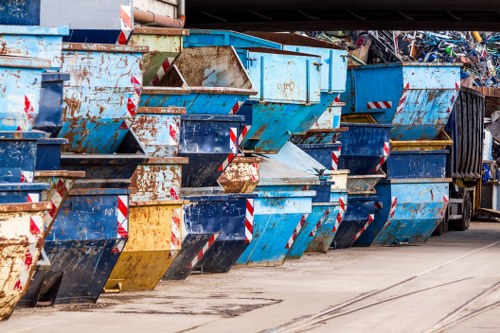
Waste recycling in London is no longer just a good habit; it is a vital part of how the city works, grows, and protects its future. With millions of residents, thousands of businesses, and constant development across boroughs, the capital produces a huge volume of waste every day. From household packaging and office paper to construction rubble and food waste, the need for effective waste recycling in London continues to rise.
London is a fast-moving city, and that pace creates pressure on landfill space, transport networks, and public services. Recycling helps reduce that pressure while recovering valuable materials that can be used again. When people sort waste properly and choose responsible disposal methods, they contribute to lower carbon emissions, cleaner neighbourhoods, and more efficient resource use. In practical terms, waste recycling in London supports both environmental goals and the everyday functioning of the city.
The conversation around recycling has also become more important because Londoners are increasingly aware of climate change, pollution, and the need for sustainable living. As more homes, offices, restaurants, and construction projects look for greener ways to manage rubbish, the demand for reliable waste recycling in London services keeps expanding. This shift is not only about ethics; it is also about cost control, compliance, and long-term urban resilience.
How Waste Recycling in London Works Across Different Sectors

One reason waste recycling in London is such a large subject is that the city’s waste streams are incredibly diverse. A single borough may generate household waste, retail packaging, commercial paper, broken furniture, green waste, metals, plastics, and demolition materials all in the same day. Each type requires a different handling method, and effective recycling depends on clear sorting, collection, and processing systems.
In residential areas, recycling usually starts with separating items like cardboard, glass, cans, plastics, and food waste. Local councils and private providers may operate different collection schedules, but the goal remains the same: keep recyclable materials out of general waste bins. In commercial settings, waste recycling in London often involves tailored services for offices, shops, restaurants, warehouses, and hospitality venues. These businesses may need regular collections, secure paper destruction, or specialist food waste handling.
Construction and refurbishment projects create another major waste stream. Concrete, bricks, metal, timber, plasterboard, and soil can often be recovered, sorted, and reused. Because the construction sector produces large volumes of material, waste recycling in London plays a major role in reducing disposal costs and improving sustainability performance. Many contractors now prefer recycling solutions that separate materials at source and maximize recovery rates.
The Environmental Benefits of Recycling Waste in London
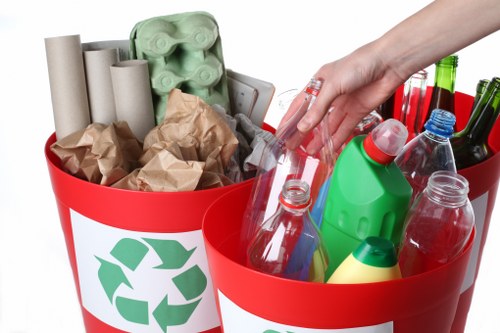
There are clear environmental advantages to waste recycling in London, and they go far beyond simply keeping bins tidy. Recycling reduces the amount of waste sent to landfill or incineration, both of which carry environmental costs. Landfill uses valuable land and can release greenhouse gases, while processing mixed waste without proper recovery loses reusable materials that could have stayed in circulation.
Recycling also reduces the need to extract raw materials from the earth. When paper is recycled, fewer trees need to be harvested. When metals are recovered, less mining is required. When plastics are properly sorted, they can be turned into new products instead of becoming litter or landfill waste. These savings matter in a city like London, where sustainable resource management is increasingly linked to air quality, energy efficiency, and climate targets.
Another benefit is cleaner public space. Streets, parks, and commercial districts all look and feel better when waste is handled correctly. Effective waste recycling in London supports public health by reducing overflowing bins, unpleasant odours, and pest issues. It also helps communities feel more connected to the idea of shared responsibility, where everyone contributes to a more attractive and liveable city.
Common Types of Recyclable Waste in London
Household recycling materials
Households across the capital produce many recyclable materials every day. The most common include paper, cardboard, glass bottles and jars, aluminium cans, plastic containers, and food waste. Some boroughs also collect garden waste, textiles, batteries, and small electrical items. Sorting these items correctly is one of the simplest ways to improve waste recycling in London.
Residents often ask which items can go in recycling bins and which must be handled separately. Although rules can vary by borough and collection provider, the general principle is consistent: keep recyclable materials clean and uncontaminated. Food residue, mixed packaging, and incorrect disposal can reduce the quality of recycling loads and make processing less efficient.
To support better household recycling, many Londoners now rely on clear labelling, separate containers, and regular reminder systems. These small steps make a noticeable difference. When households participate consistently, waste recycling in London becomes more effective at a citywide scale.
Commercial and office waste
Office spaces, retail units, and hospitality businesses generate a wide range of recyclable waste. Paper remains one of the biggest streams, but cardboard, plastic packaging, and food waste are also major concerns. Some businesses require secure shredding for confidential documents, while others need specialist collection for kitchen waste or beverage containers.
For business owners, recycling is not only an environmental decision but also a practical one. Well-organized waste recycling in London can reduce disposal fees, improve workplace cleanliness, and support ESG or sustainability reporting. In competitive industries, demonstrating responsible waste management can also strengthen brand reputation.
Useful recyclable categories for London businesses include:
- Office paper and confidential documents
- Cardboard and packaging
- Glass bottles and jars
- Plastic containers and film
- Food waste from kitchens or canteens
- Metals such as cans and scrap components
Construction Waste Recycling in London
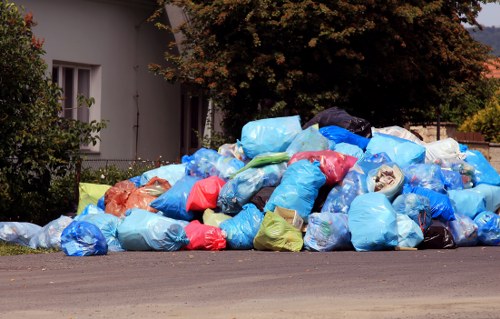
Construction waste recycling in London is a major part of the city’s circular economy. Demolition and refurbishment work can produce large quantities of recyclable material, and much of it can be recovered if sorted correctly. Rather than sending mixed loads to landfill, many contractors now separate waste at source to increase recycling efficiency and reduce project costs.
Typical construction materials suitable for recycling include brick, rubble, concrete, metal, timber, glass, and certain plastics. Some materials need specialist treatment before they can be reused, while others can be processed into aggregates or secondary raw materials. This approach supports greener building practices and helps developers meet sustainability targets.
As building standards become more environmentally focused, waste recycling in London is increasingly linked to planning, compliance, and procurement. Developers who prioritise recycling often find it easier to meet waste audits, reduce transport volumes, and present stronger environmental credentials to clients and stakeholders.
Key benefits for construction projects
Recycling construction waste can bring several important benefits:
- Lower disposal costs through reduced landfill use
- Improved site efficiency and cleaner working areas
- Better compliance with environmental regulations
- Reduced carbon emissions from disposal and raw material extraction
- More sustainable project outcomes overall
Food Waste and Organic Recycling in London
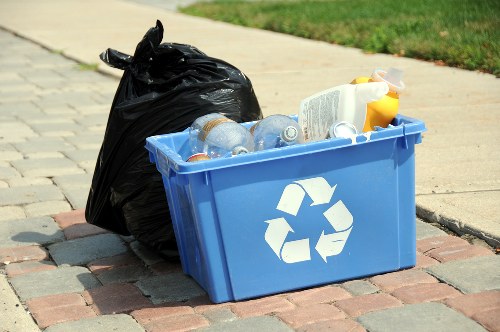
Food waste is one of the most important challenges in waste recycling in London because it is both highly common and highly avoidable. Homes, restaurants, cafés, hotels, schools, and offices all generate organic waste that can often be separated and processed into useful outputs such as compost or energy. When food waste is mixed with general rubbish, it becomes harder to recover and more likely to produce emissions in landfill.
Organic recycling is growing in importance as London aims to reduce its environmental footprint. Many businesses now focus on separating food waste at source, using dedicated bins, and training staff to keep contamination low. This makes collections more efficient and improves the quality of recycled outputs. For kitchens and catering facilities, waste recycling in London often starts with simple changes in storage, signage, and daily routines.
Reducing food waste is also part of the broader recycling conversation. While recycling helps manage what is discarded, prevention is equally valuable. Better planning, portion control, stock rotation, and donation schemes can reduce the amount of edible food thrown away. Together, these practices support a more sustainable and cost-conscious city.
Practical ways to cut food waste
- Use clear date labels and stock rotation systems
- Review menu planning and purchasing habits
- Separate food waste into dedicated containers
- Train staff on recycling and waste reduction procedures
- Measure waste volumes to identify recurring issues
The Role of Businesses in Waste Recycling in London
Businesses play a central role in shaping waste recycling in London because they generate a large share of the city’s commercial waste. Whether it is a small office, a retail chain, a restaurant group, or a logistics operation, each business has opportunities to improve recycling performance. The most successful businesses treat waste management as a core operational process rather than an afterthought.
One of the first steps is to understand the types of waste produced. Once a business knows how much paper, cardboard, plastic, food waste, and general rubbish it creates, it can design a more efficient recycling plan. This may include bin placement, employee training, collection scheduling, and supplier coordination. Over time, these improvements can reduce waste volumes and improve recycling rates significantly.
Waste recycling in London also supports compliance with environmental responsibilities. Businesses may need to keep records, meet duty-of-care requirements, and show that waste is handled by licensed providers. Good recycling practices can help companies avoid penalties while also strengthening their sustainability image. In many sectors, responsible waste handling is now seen as part of doing business well.
What a strong business recycling plan should include
- Waste stream identification and measurement
- Clearly labelled recycling and general waste bins
- Staff training and regular reminders
- Scheduled collections matched to volume
- Monitoring of contamination and recycling performance
Challenges Facing Waste Recycling in London
Although waste recycling in London has made real progress, several challenges remain. One of the biggest issues is contamination, where non-recyclable items end up in recycling containers. This can spoil entire loads and reduce the quality of materials sent for processing. Education, signage, and consistent collection systems are essential to solving this problem.
Another challenge is space. London properties, particularly flats, terraces, and older commercial buildings, may have limited room for multiple bins. This can make sorting more difficult and may discourage proper recycling. Creative storage solutions, shared collection points, and regular communication can help address this issue, but it remains a practical concern in dense urban areas.
Transport and logistics also affect recycling outcomes. Waste must be collected efficiently, moved to sorting facilities, and processed without unnecessary delays. In a city as busy as London, congestion can affect collection schedules and emissions. That is why well-planned waste recycling in London depends on local infrastructure, strong service networks, and continuous investment in sorting and recovery facilities.
Common barriers to better recycling
- Contaminated recycling bins
- Limited storage space in homes and businesses
- Confusing collection rules across boroughs
- Low awareness of what can be recycled
- Logistical pressure from traffic and high waste volumes
How Londoners Can Improve Recycling Results
Everyone in the city can contribute to better waste recycling in London. Small everyday habits matter more than many people realise. Sorting rubbish properly, rinsing containers when needed, flattening cardboard, and keeping hazardous items out of standard bins all help improve recycling quality. These actions may seem minor, but they add up quickly when millions of people participate.
For households, the most effective strategy is to stay consistent and learn the local collection rules. For businesses, success usually comes from building recycling into staff routines and reviewing performance regularly. Clear communication is essential in both settings. If people know what goes where, they are far more likely to recycle correctly.
Community action also plays an important role. Schools, landlords, business associations, and local campaigns can all help spread awareness of waste recycling in London. When neighbourhoods work together, recycling becomes easier to understand and more normal in daily life. That shift supports long-term environmental change across the capital.
Simple habits that make a big difference
- Separate recyclables from general waste at the source
- Check local recycling rules before disposal
- Keep bins clean and clearly labelled
- Reduce contamination by removing food residue
- Use specialist services for bulky or hazardous items
The Future of Waste Recycling in London
The future of waste recycling in London is likely to be shaped by technology, policy, and changing public expectations. As sustainability becomes more important to residents and businesses alike, recycling systems will need to become smarter, faster, and more accessible. Data tracking, better sorting infrastructure, and expanded recovery methods are already influencing how waste is managed across the city.
New approaches such as improved material recovery facilities, digital waste reporting, and more efficient collection routes are helping London reduce waste and increase recycling rates. At the same time, product design is changing. More brands are using recyclable packaging, and more industries are looking for ways to reduce waste before it even reaches the bin. These developments point toward a more circular economy, where materials stay in use for longer.
For residents and businesses, the message is clear: waste recycling in London will remain a key part of urban life. The city cannot function sustainably without it. As regulations tighten and environmental awareness grows, those who invest in better recycling habits now will be better prepared for the future.
Why this matters for the long term
Better recycling means less pressure on landfill, lower emissions, cleaner streets, and more efficient use of resources. It also supports innovation and responsible growth. In a city as dynamic as London, recycling is not a side issue; it is part of how the capital stays resilient, attractive, and future-ready.
Choosing the Right Waste Recycling Approach in London
With so many waste types and property types across the city, the best recycling approach depends on the situation. A household may need simple weekly collections, while a restaurant may require daily food waste removal. A construction site may need skips and segregated material streams. This is why waste recycling in London works best when the system is matched to the needs of the user.
When choosing a recycling approach, it helps to consider volume, waste type, storage space, and frequency of collection. Businesses should also think about compliance and reporting requirements. By selecting the right setup, it becomes easier to stay organised and reduce waste disposal costs. Good planning turns recycling from a chore into a reliable part of operations.
Look for a recycling solution that offers:
- Clear segregation of waste streams
- Flexible collection schedules
- Support for both general and specialist waste
- Responsible processing and recovery methods
- A focus on reducing landfill dependency
If you are ready to improve your environmental performance, reduce waste costs, and streamline collections, contact us today to explore a smarter approach to waste recycling in London. Book your service now and take the next step toward cleaner, more efficient waste management.