Rubbish Removal Waste Pricing and Quotes
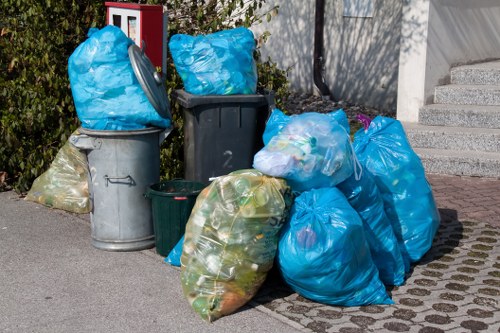 When people compare rubbish removal waste services, the first question is usually simple: How much will it cost? At Rubbish Removal Waste, pricing is built to be clear, fair, and easy to understand. Our transparent pricing model is designed so customers can see what they are paying for before any work begins. That means no confusing add-ons, no hidden disposal charges, and no surprises after the job is complete. Whether you need a small domestic pickup or a larger clearance, the estimate is based on the volume, type, and access conditions of the load.
We offer load-based pricing and cubic-yard rates to suit different job sizes. A load-based quote works well for mixed waste, bulk items, or one-off clearances where the space taken in the truck is the best measure. Cubic-yard pricing is useful when a customer wants a more precise breakdown, especially for projects with repeat collections or staged removal. This approach helps keep rubbish removal prices easy to compare, while still allowing flexibility for the variety of waste streams found in homes, commercial sites, and renovation projects.
The cost of rubbish removal can also depend on the sort of property and how easy it is to access the waste. A compact apartment in a busy town centre may involve carrying items through stairwells or narrow hallways, while a detached home on a quiet street may allow faster loading. These practical differences are part of the quote, so the price reflects the actual job rather than a generic average. For customers in busy locations, the quote may also account for parking restrictions, multiple trips from the property to the truck, or timed collection windows.
How Our Pricing Model Works
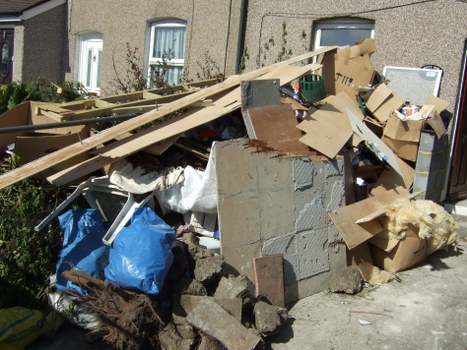 Our pricing structure is intentionally straightforward. Every Rubbish Removal Waste quote begins with an assessment of the amount of waste, the type of materials involved, and the likely labour required. Common items such as furniture, garden cuttings, office clutter, and household clear-outs are generally priced according to the space they occupy. Heavier or more specialised items, such as construction debris or bulky fixtures, may be rated differently if disposal costs are higher. In all cases, customers are told what is included in the figure so they can make a clear decision before booking.
Load-based rates are ideal when waste is a mix of materials. For example, a garage clear-out with broken shelving, old boxes, small appliances, and general household junk can be priced by partial, half, or full-load categories. This makes it easier to budget because the customer pays for the truck space used rather than a vague hourly estimate. Cubic-yard rates work well for predictable piles, such as renovation rubble stacked beside a driveway or garden waste collected from a terrace property. In both cases, the quote is intended to be transparent and proportionate.
We also keep the pricing model flexible enough to cover a wide range of property styles. A Victorian terrace with limited rear access may need extra handling time, while a modern estate house with a side path may allow smoother loading. Likewise, flats above shops or homes in a bustling high street area can require care around access times and pedestrian traffic. Rather than using a one-size-fits-all formula, our rubbish removal service prices the job based on its real conditions, which helps keep the final amount fair and reasonable.
Example Jobs and Typical Price Factors
 To give customers a better idea of what affects a quote, here are common example jobs. A single-room declutter in a small flat might involve old bedding, a wardrobe, and a few bags of general waste. This is often billed as a small load, especially if the property is in a busy area with limited parking. A garden waste collection from a semi-detached home may include branches, hedge trimmings, soil, and broken planters; if the waste piles into one cubic-yard section, the rate can be quoted with accuracy. A kitchen strip-out from a family house may involve cabinets, worktops, and packaging, which can be priced by load size and material type.
For larger clearances, the quote will reflect not just volume but also the practical demands of the job. An office tidy-up in a commercial unit near a busy business district may include desks, chairs, filing cabinets, and electronics. Because commercial collections often need to be completed quickly and with minimal disruption, access and timing can influence the estimate. Likewise, a loft clearance in a traditional property with narrow stairs or a basement cleanout in a period home may require extra labour. These examples show how rubbish removal waste pricing remains grounded in the actual work involved.
Renovation jobs are another common category. Builders’ waste from a bathroom refit, for instance, may include tiles, old fixtures, plasterboard, and timber offcuts. If the material is dense, the truck may fill faster than expected, so a cubic-yard or load-based rate gives a more accurate view than an hourly charge. Customers working on terraced homes, top-floor apartments, or properties on busy roads often appreciate that the price is explained in advance. This keeps rubbish removal prices simple to compare across different project sizes and property types.
Free Quote Policy
At Rubbish Removal Waste, quotes are provided free of charge. The free quote policy exists to help customers understand their options before committing to anything. Whether the job is a quick household clearance or a more involved commercial collection, the quote stage is used to outline the likely cost, the waste category, and any factors that may affect collection. There is no obligation to proceed after receiving the estimate, and the information is given clearly so customers can plan ahead with confidence.
 A free quote is especially useful for customers comparing rubbish removal waste services across different job types. If you are clearing a flat near a busy station, removing bulky items from a townhouse, or organising a full property clearance in a suburban cul-de-sac, the quote will explain how the job is measured. This helps avoid the common frustration of vague “from” pricing that changes later. Our aim is to make the process simple: understand the job, assess the volume, and provide a fair estimate based on what is actually there.
 Because every property and load is different, the free quote policy also supports better planning for the customer. It can be used for one-off collections, end-of-tenancy clearances, landlord clear-outs, shop refurbishments, or garden waste removal after seasonal maintenance. In all these cases, the focus remains on a clear, transparent figure that reflects the size and complexity of the work. With Rubbish Removal Waste, the pricing conversation is designed to be straightforward from the start, so customers know exactly what to expect before any removal takes place.