Recycling and Sustainability at Rubbish Removal Waste
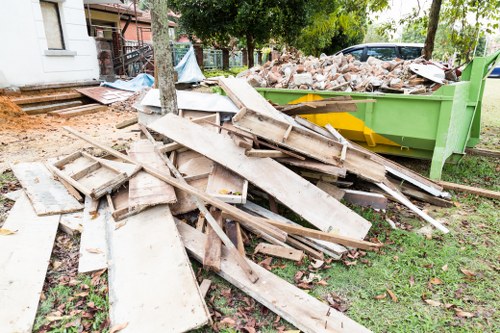 At Rubbish Removal Waste, sustainability is built into the way we work every day. Our recycling-led rubbish removal service is designed to reduce what goes to landfill, recover usable materials, and support a cleaner local environment. We aim for a minimum recycling percentage target of 90% across suitable waste streams, with every load assessed for the best possible reuse, recycling, or responsible disposal route. From household clearances to trade waste, our approach focuses on sorting materials carefully so that wood, metal, cardboard, plastics, and green waste can be separated wherever possible.
We also recognise that waste handling is shaped by local infrastructure. That is why our teams work closely with local transfer stations that are equipped to receive mixed waste and direct it into the right recovery channels. These facilities help us keep materials moving efficiently through the recycling process, while also supporting borough-specific waste separation rules and local processing standards. In many boroughs, kerbside and commercial waste streams are increasingly sorted by material type, and our operations are aligned with that practical, area-based approach to recycling.
Another key part of our waste removal sustainability strategy is our partnerships with charities and re-use organisations. Where items are in good condition, we prioritise donation and resale routes before recycling or disposal. Furniture, office equipment, household goods, and other reusable items may be passed on to charity partners, helping extend product life and reduce unnecessary waste. This gives our rubbish removal and recycling service a wider social benefit, supporting community causes while keeping usable items out of the waste chain.
 Our vehicles are also part of our environmental plan. We use low-carbon vans to help reduce emissions from collection work, combining efficient route planning with modern fleet choices to lower our carbon footprint. This matters in busy urban areas where frequent collections can create a lot of traffic and idle time. By using cleaner vehicles and planning smarter routes, our sustainable rubbish removal service helps minimise fuel use while maintaining reliable collections for homes, landlords, offices, and construction projects.
On-site, we separate waste with a clear focus on recoverability. Metals such as copper, aluminium, and steel are commonly sent for recycling, while cardboard and paper are baled where volumes allow. Hard plastics, textiles, and certain appliance components may also be recovered depending on condition and contamination levels. Green waste from garden clearances can often be diverted into composting or other organic processing routes. In boroughs where waste separation standards are more detailed, we adapt our sorting methods to match local expectations and improve the quality of recovered material.
 We also support recycling activity that reflects the character of each area we serve. In mixed-use districts, for example, office clearances may produce substantial paper and electronics streams, while residential boroughs can generate more furniture, packaging, and food-contaminated materials. Our teams use those patterns to improve separation at source and to reduce cross-contamination. This makes a real difference to the efficiency of the recycling chain, because cleaner loads are more likely to be accepted by transfer stations and specialist processors.
Where specialist handling is needed, we work with facilities that can manage specific items safely and responsibly. Electrical items and appliances are directed into appropriate recovery channels so that metals and reusable parts can be extracted in line with current regulations. Similarly, builders’ waste can be sorted to recover aggregates, timber, and scrap metal. Our recycling waste removal process is designed to keep materials in circulation wherever possible, supporting a circular economy rather than a throwaway model.
We know that sustainability is not just about one collection or one material stream. It is about consistency, training, and attention to detail. Our crews are trained to identify recyclable and reusable items quickly, separate loads effectively, and reduce contamination before waste reaches the next stage of processing. This hands-on approach supports our eco-friendly rubbish removal goals and helps us maintain the high recycling percentage target we have set for the business. It also gives customers confidence that their clearance is being handled with care and environmental responsibility in mind.
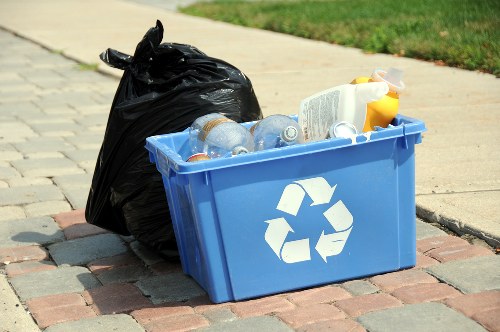 Another advantage of our service is that it helps clients make greener choices without complicating the process. By combining reuse, recycling, charity partnerships, and low-carbon transport, we offer a practical solution for modern waste management. Whether the job is a one-off clearance or ongoing collection work, our focus remains the same: recover more, waste less, and lower environmental impact. That is especially important in areas where borough recycling rules encourage better separation of dry mixed recyclables, green waste, and residual rubbish.
 At Rubbish Removal Waste, our commitment to sustainable waste removal is ongoing. We continue to refine our recycling processes, expand our network of local transfer stations, strengthen our charity partnerships, and invest in low-carbon vans that support a lower-emission future. By keeping recyclable materials in the loop and working in step with local borough waste separation practices, we help create a cleaner, smarter, and more responsible service for every collection.