Council Waste Collection in London: A Practical Look at How It Works, What to Expect, and How to Stay Compliant
Council waste collection in London plays a central role in keeping streets clean, homes manageable, and neighbourhoods healthier. Whether you live in a flat in Zone 1, a terraced house in South London, or a family home in the outer boroughs, understanding how London council waste collection works can save time, reduce stress, and help you avoid missed collections or avoidable penalties. In a city as large and diverse as London, waste services differ from borough to borough, but the goal is always the same: efficient rubbish removal, safe recycling, and responsible disposal.
From food waste and garden waste to recycling, bulky items, and special collections, the system can feel confusing at first. Yet once you understand the basics, council waste collection in London becomes much easier to manage. This article explains how local authority collections work, what residents can usually put out, how to prepare waste correctly, and what to do when you have more rubbish than your council can take in a regular pickup.
It also looks at common challenges such as missed collections, overflowing bins, contamination, and restrictions on items like mattresses, white goods, and construction waste. If you want a cleaner home, a tidier street, and fewer collection-day issues, knowing the rules of council waste collection in London is essential.
Understanding Council Waste Collection in London
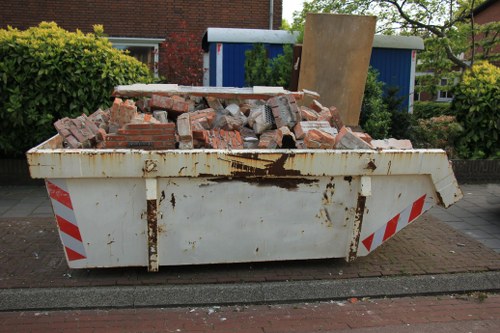
London’s waste collection services are run by individual borough councils, which means the rules can vary depending on where you live. One borough may collect food waste weekly and recycling fortnightly, while another may use a different schedule for general rubbish and garden waste. This borough-based approach is common across council waste collection in London because each local authority manages its own bins, routes, budgets, and recycling strategy.
The main collections usually include residual waste, recycling, food waste, and sometimes garden waste. In many areas, residents receive separate bins or bags for each waste stream. The purpose is to reduce landfill use and increase recycling rates. Proper sorting matters because contaminated recycling can be rejected, and that can affect the success of the entire collection round.
For residents, the key is to know the local rules. Even if two boroughs are next to each other, their London council waste collection policies may differ significantly. Checking bin colours, collection days, and accepted materials is one of the smartest ways to avoid problems. If you have recently moved, this is one of the first things worth verifying.
Why Council Waste Collection Matters in a Busy City

In a city as densely populated as London, waste can build up quickly. A reliable council waste collection in London service helps prevent rubbish from piling up on pavements, reduces pest problems, and keeps shared spaces usable. For apartment blocks and terraced streets, regular waste removal is not just convenient; it is a public health necessity.
Another important reason is sustainability. Councils across the capital are under pressure to improve recycling rates and reduce the amount of waste sent to landfill or energy recovery. When residents separate waste properly, the system works better. Recycling collection in London depends heavily on household cooperation, especially in high-density areas where contamination can spread quickly.
Rubbish collection in London also supports local cleanliness standards. Overflowing bins can attract flies, create odours, and make streets look neglected. By following collection schedules and preparing items correctly, residents contribute to a cleaner environment and a smoother local service. For households with limited storage, this becomes even more important.
How Council Waste Collection in London Typically Works
Collection schedules and bin types
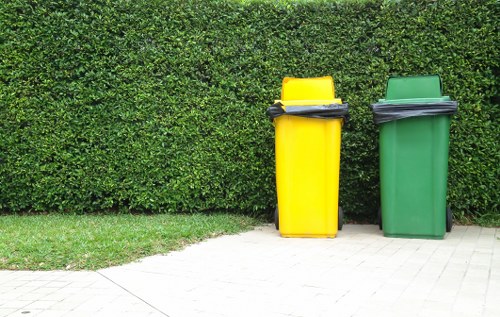
Most boroughs publish a collection calendar or postcode checker so residents can confirm when each waste stream is collected. In many parts of the city, council waste collection in London follows a weekly or fortnightly pattern. General waste may be collected weekly, while recycling and food waste are often collected on alternating days or a separate weekly route.
Depending on the borough, households may receive a black bin, green bin, blue bin, brown bin, food caddy, or communal containers. Flats often use shared bins, while houses may have individual containers. Some areas also use clear sacks or wheelie bins for recycling. The system is designed to keep materials separated, but it only works if residents place the right items in the right container.
It is also common for councils to provide specific instructions for bin placement. Bins usually need to be placed at the boundary of the property, on the correct day, and returned promptly after collection. Failure to follow these instructions can lead to missed pickups or, in some cases, enforcement issues. To make council waste collection in London easier, many households set reminders on phones or calendars.
What You Can Usually Put Out for Council Collection
Common household waste streams
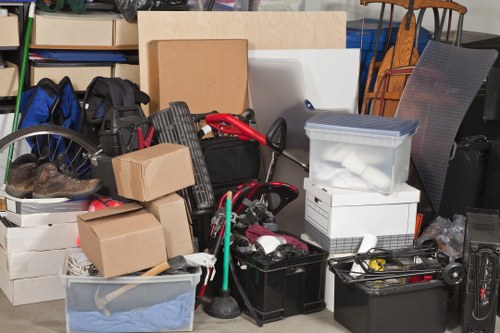
Although each council sets its own rules, there are some common categories accepted in most council waste collection in London services. These typically include everyday household rubbish, paper and card, plastic bottles, cans, glass, and some food waste. Garden waste may also be collected if you subscribe to the service or live in a borough that includes it as standard.
Here is a simple breakdown of the waste streams most households manage:
- General waste: non-recyclable household rubbish such as wrappers, sanitary waste, and broken household items.
- Dry recycling: items like cardboard, newspapers, tins, clean plastic containers, and glass bottles where accepted.
- Food waste: leftovers, fruit and vegetable peelings, tea bags, coffee grounds, and similar organic kitchen waste.
- Garden waste: grass cuttings, leaves, small branches, and weeds, subject to council rules.
- Bulky waste: larger items usually collected separately by appointment.
Residents should avoid placing black bags into recycling bins or mixing food waste with dry recyclables. Even small mistakes can affect London council waste collection outcomes. The cleaner the sorting, the better the recycling rate and the less likely the council is to reject the load.
Items Councils Commonly Do Not Collect in Regular Rounds
Special waste and restricted materials
Not everything can go into a standard household bin. In many areas, regular council waste collection in London does not accept construction debris, hazardous chemicals, paint, electrical items, or certain large household goods. These materials often need separate disposal through a recycling centre, a special collection, or a licensed waste contractor.
Some of the items commonly restricted include:
- Paint tins, solvents, and chemicals
- Asbestos and building rubble
- Gas bottles and pressurised containers
- Fridges, freezers, and washing machines
- TVs, laptops, and other electronic waste
- Needles, sharps, and medical waste
Because rules vary, it is important to check the borough’s specific policy before leaving out unusual items. If you are dealing with house clearance waste, renovation debris, or bulky goods, a separate service may be the safest and fastest option. That helps keep council waste collection in London efficient for everyone.
Tip: If an item is damaged, heavy, or contains hazardous parts, do not assume it belongs in the regular bin. Incorrect disposal may lead to contamination, delayed collection, or enforcement action.
Missed Collections, Overflowing Bins, and Common Problems
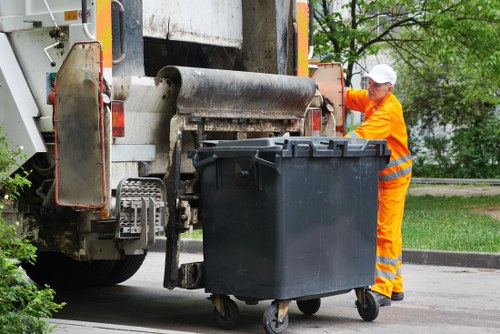
Even with a good system, issues happen. A truck may be delayed, a bin may be inaccessible, or recycling may be rejected because of contamination. Missed pickups are one of the most common frustrations with council waste collection in London, especially in busy boroughs where routes are tightly scheduled. If your collection is missed, councils often ask residents to wait until the next scheduled round unless the issue is reported and confirmed.
Overflowing bins are another challenge. London homes often have limited storage, and if a household generates more waste than the service is designed for, the bins can fill up quickly. This is especially common after holidays, moving house, or renovation work. In such cases, using a one-off waste removal service or booking a bulky waste collection can be a practical solution.
Contamination is also a frequent issue. Wet cardboard, food residue, bags inside recycling bins, or mixed materials can reduce the quality of collected recyclables. Councils want residents to follow sorting rules because contaminated loads may be rejected and sent elsewhere. For smoother London council waste collection, keep recyclables clean, dry, and separated.
Special Collections for Bulky Items and Larger Waste Loads
When regular bins are not enough
Households often need help with items that do not fit into standard bins. This is where special collection options become useful. Many boroughs offer bulky waste pickups for furniture, mattresses, white goods, and other large items. These services can be especially helpful after a tenancy change, a home declutter, or a refurbishment. They also support council waste collection in London by preventing fly-tipping and illegal dumping.
Depending on the council, bulky collections may be free, partially subsidised, or charged per item. Booking systems are usually online, and residents may need to choose a slot in advance. Some councils place limits on how many items they will accept per booking, so planning ahead is important. If you have several large items, ask whether multiple bookings are needed or whether an alternative disposal option is better.
For households with extra waste from moving, decorating, or clearing a property, it is useful to compare the cost and speed of council services with private removal options. A licensed provider may be quicker for urgent jobs, while council waste collection in London can be a budget-friendly choice for routine bulky items. The right choice depends on timing, item type, and volume.
Examples of bulky waste often collected separately
- Wardrobes and sofas
- Mattresses and bed frames
- Tables and chairs
- Fridges and freezers
- Washing machines and cookers
Recycling in London: What Residents Should Know
Improving recycling outcomes borough by borough
Recycling is one of the most important parts of council waste collection in London. Councils aim to recover valuable materials like paper, metals, plastics, and glass, but success depends on what residents put into the bin. Clean and sorted items are far more likely to be processed efficiently. Dirty or mixed waste can reduce the quality of the recycling stream and create extra costs for the council.
To improve recycling, many boroughs encourage residents to rinse containers, flatten cardboard, and avoid overfilling bins. Some areas also provide food waste caddies because organic waste can be converted into compost or energy. This means a significant portion of household waste can be diverted away from landfill if residents use the system correctly. Recycling collection in London becomes much more effective when households treat it as a routine rather than an afterthought.
It is also important to note that recyclable materials do not always mean any plastic or any metal. Councils may accept only certain household packaging. Items such as plastic bags, black trays, polystyrene, and cling film are often excluded, even if they appear recyclable elsewhere. Checking the borough’s accepted-items list is one of the easiest ways to avoid mistakes with council waste collection in London.
Garden Waste and Seasonal Collection Needs
Managing extra green waste at home
Garden waste collection is an important service for homes with outdoor spaces. During spring and summer, grass cuttings, hedge clippings, weeds, and leaves can quickly accumulate. Some councils include garden waste within council waste collection in London, while others require a paid subscription or a special green bin service.
For residents with small gardens, the service can be a simple way to avoid repeated trips to a recycling centre. For larger properties, it helps keep outdoor areas tidy and reduces the amount of organic waste going into general rubbish. Garden waste is usually collected separately because it can be composted or processed into mulch. That makes it both practical and environmentally useful.
Seasonal changes also affect waste volume. In autumn, leaf fall increases, while in spring and after home clear-outs, general waste often rises. Planning for these peaks can help avoid a situation where bins are overfilled. Many households using London council waste collection find it helpful to schedule garden tidy-ups around collection days rather than after them.
How to Prepare Waste for Collection the Right Way
Simple habits that prevent problems
Preparation is a big part of successful council waste collection in London. Even when services are well organised, poor presentation of waste can cause delays. Bins should be closed properly, bags tied securely, and materials placed in the correct container. If items are loose, wet, or mixed, they may not be collected.
Here are some practical habits that make collection day easier:
- Put bins out only on the correct day and time.
- Make sure lids close fully to avoid overfilling.
- Keep recyclables clean and dry where possible.
- Do not place hazardous or sharp items in normal bins.
- Flatten cardboard to save space.
- Remove food residue from packaging if the council requires it.
These simple steps can improve the reliability of London council waste collection and reduce the chance of rejected bins. For shared buildings, clear bin signage and resident cooperation can make a major difference.
Households in flats and shared properties
Shared waste areas need extra attention because misuse by one resident can affect everyone. In communal settings, councils often expect managing agents or housing teams to help maintain order. Clear instructions, regular cleaning, and good access are all important. Where bins are shared, space can become limited quickly, so residents should be careful not to block lids or leave loose waste nearby.
Fly-Tipping, Illegal Dumping, and the Role of Council Services
When residents cannot easily dispose of unwanted items, fly-tipping becomes more likely. That is why effective council waste collection in London is so important. If bulky collections are hard to book, or if residents are unsure what to do with renovation waste, there is a greater risk that items will be left on pavements or in alleyways. This creates extra clean-up costs and can damage local streets.
Councils work hard to discourage illegal dumping through enforcement, signage, and public reporting systems. However, prevention is always better than clean-up. Residents who use the correct disposal route are helping protect shared spaces and reduce environmental harm. For larger projects, booking licensed removal or taking waste to an authorised site is often the responsible choice.
If you are managing a home clearance, moving house, or dealing with accumulated rubbish, consider planning the disposal in advance. A combined approach may be needed: regular London council waste collection for everyday rubbish and a separate service for larger, unusual, or urgent loads. That balance often saves time and avoids last-minute stress.
How to Choose Between Council Collection and Private Waste Removal
Finding the right solution for your situation
Not every waste problem fits neatly into a council bin schedule. While council waste collection in London is ideal for routine household waste, private removal can be more suitable when you have a large volume, awkward items, or a deadline. For example, a landlord clearing a property before new tenants move in may need a faster service than the borough can provide. Likewise, a family renovating a kitchen may produce more waste than standard collections can handle.
Private waste removal can offer flexibility, same-day options, and removal of mixed waste streams. The trade-off is usually cost. Council services are often cheaper or included in local taxation, but they may have stricter item rules and longer waiting times. For many people, the best approach is to use both: rely on the council for regular waste and use a licensed removal service for exceptional situations.
When comparing options, think about volume, urgency, item type, and access. If the job involves a lot of lifting, stairs, or heavy items, a professional team can reduce physical strain and speed up the process. Either way, the goal remains the same: safe, legal, and efficient disposal that supports a cleaner London.
Tips for Staying Organised All Year Round
Small habits that improve waste management
Good waste management is easier when it becomes part of daily life. For residents who want better results from council waste collection in London, small routines can make a big difference. Keeping separate containers inside the home, checking collection calendars regularly, and avoiding unnecessary packaging can all reduce problems over time.
Consider these year-round habits:
- Review your council’s bin rules at least twice a year.
- Set reminders for collection day and bin return times.
- Store bulky waste separately until you can book a collection.
- Use food waste containers to reduce smell and general bin fill-up.
- Monitor recycling contamination to prevent rejected collections.
Staying organised means less mess, fewer missed collections, and a smoother relationship with your local services. It also makes it easier to handle busy periods such as moving home, festive seasons, or spring cleaning. In short, a little planning goes a long way with council waste collection in London.
CTA: If you need support with household rubbish, bulky items, or time-sensitive waste, contact us today and arrange the right solution for your property.
CTA: Book your service now if you want a quicker and more flexible way to handle waste beyond standard council collections.
Final Thoughts on Council Waste Collection in London
Council waste collection in London is essential for keeping one of the world’s busiest cities clean, functional, and environmentally responsible. While the exact rules vary by borough, the basic principles are consistent: separate your waste, follow your collection schedule, avoid contamination, and use special services when needed. When residents understand the system, the whole process becomes smoother and more effective.
Whether you are managing everyday household rubbish, planning a clear-out, or dealing with bulky items, knowing how London council waste collection works helps you make better decisions. It can save time, reduce clutter, and support a cleaner neighbourhood. Most importantly, it ensures waste is handled safely and in line with local rules. For households that need more flexibility, a licensed private option can complement the council service and fill the gaps.
By staying informed and organised, you can make council waste collection in London work in your favour. Use the right bins, respect the schedule, and choose the correct disposal route for unusual waste. That simple approach benefits your home, your street, and the wider city.