Commercial Waste Collection in London: Efficient, Compliant, and Sustainable Solutions for Businesses
Why Commercial Waste Collection in London Matters 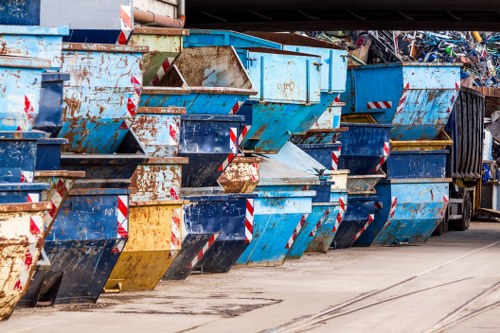
In a city as fast-moving and densely populated as London, commercial waste collection in London is more than a routine operational task. It is a critical part of running a clean, safe, and legally compliant business. From offices and restaurants to retail stores, warehouses, hotels, and construction firms, every organisation produces waste that must be handled responsibly.
The capital generates a huge volume of business waste every day, and companies that neglect proper disposal can face disruptions, reputational damage, and unnecessary costs. A structured commercial waste collection service helps businesses manage everyday rubbish, recyclables, confidential materials, and specialist waste streams efficiently.
Choosing the right waste partner also supports sustainability goals. London businesses are under increasing pressure to reduce landfill, improve recycling rates, and adopt greener operations. That is why many companies now view commercial waste collection in London as an important part of environmental strategy rather than a back-office afterthought.
What Is Commercial Waste Collection?
Commercial waste collection refers to the removal, transportation, sorting, and disposal of waste generated by businesses rather than households. This includes a wide range of materials such as paper, cardboard, food waste, plastics, metal packaging, glass, office furniture, and non-hazardous general waste.
In practice, commercial waste collection in London is tailored to the needs of each business. Some companies need daily bin lifts, while others require weekly or fortnightly collections. Larger premises may need multiple containers, compactors, or segregated bins for mixed recyclables and residual waste.
Many waste contractors also provide additional services such as recycling audits, waste reporting, secure shredding, and specialist disposal. That flexibility makes commercial waste collection useful for businesses of all sizes, from independent cafés to large corporate headquarters.
Common Waste Types Collected in London 
Commercial waste collection in London covers a broad range of waste categories, each with its own handling requirements. Understanding these streams can help businesses choose the right service and improve recycling performance.
- General waste: Everyday non-recyclable rubbish from offices, shops, and hospitality businesses.
- Dry mixed recycling: Paper, cardboard, plastics, cans, tins, and other recyclable materials.
- Food waste: Organic waste from restaurants, cafés, caterers, and commercial kitchens.
- Glass waste: Bottles and jars from hospitality and retail businesses.
- Confidential waste: Sensitive documents requiring secure shredding and disposal.
- Bulky waste: Furniture, fixtures, office equipment, and other large items.
- Construction and demolition waste: Rubble, timber, plasterboard, metal, and packaging from building works.
Some businesses may also generate specialist waste that requires licensed handling. In those cases, a professional provider can advise on segregation, storage, and lawful disposal methods.
Tip: Sorting waste at source improves recycling rates and can reduce collection costs over time.
Legal Responsibilities for Businesses in London
Businesses in the UK have a legal duty of care to manage waste responsibly. This means they must ensure their waste is stored safely, transferred to authorised carriers, and documented correctly. Failing to do so can lead to fines, enforcement action, and long-term operational issues.
When arranging commercial waste collection in London, businesses should verify that the provider is licensed and able to handle their waste types. They should also keep transfer notes and records where required, especially if they produce larger volumes or more complex waste streams.
Legal compliance is not only about avoiding penalties. It also demonstrates responsible business practice and can strengthen trust with customers, suppliers, and local communities. For many organisations, compliance and sustainability now go hand in hand.
Choosing the Right Commercial Waste Collection Service 
With so many providers offering commercial waste collection in London, selecting the right one can feel overwhelming. However, the best choice depends on service quality, reliability, flexibility, and the waste types your business generates.
Here are key factors to consider:
- Service frequency: Does the provider offer collection schedules that match your business needs?
- Waste streams handled: Can they collect general waste, recycling, food waste, and specialist materials?
- Compliance support: Do they provide the documentation and licensing needed for legal disposal?
- Recycling performance: What percentage of collected material is diverted from landfill?
- Pricing structure: Are fees clear, competitive, and suited to your volume of waste?
- Customer support: Is it easy to adjust collections or request additional services when required?
A reliable provider should make waste management simpler, not more complicated. For businesses with changing needs, the ability to scale up or down is especially valuable.
Industries That Rely on Commercial Waste Collection in London
Almost every sector in the capital depends on efficient commercial waste collection in London. The type and volume of waste may vary, but the need for dependable disposal remains the same.
Offices often require regular paper, cardboard, and confidential waste collection. Many modern workplaces also separate food waste from kitchens and break rooms to improve recycling.
Hospitality businesses such as restaurants, pubs, hotels, and cafés typically produce high volumes of food waste, packaging, glass, and mixed recyclables. Timely collections are essential to maintain hygiene and avoid odours.
Other sectors with high waste demand 
Retail stores, warehouses, construction sites, schools, healthcare settings, and event venues all have unique waste profiles. Retailers generate packaging and display materials, while construction firms need robust solutions for bulky and inert waste.
In each case, a tailored commercial waste collection plan can reduce clutter, improve space usage, and support operational efficiency. Businesses that understand their waste output can plan collections better and avoid unnecessary over-servicing.
For high-footfall venues and customer-facing brands, clean waste management also contributes to a better visitor experience. A tidy site sends a strong signal about professionalism and care.
Because London is so diverse, waste solutions must be adaptable. A service that works well for a small Soho café may not suit a distribution centre in East London or an office tower in Canary Wharf.
The Benefits of Professional Commercial Waste Collection
There are many practical and financial reasons to invest in professional commercial waste collection in London. Businesses that outsource this responsibility often save time, reduce risk, and improve site cleanliness.
One major benefit is convenience. Rather than dealing with irregular storage, overflowing bins, or ad hoc disposal arrangements, businesses receive scheduled collections that fit seamlessly into daily operations.
Professional waste collection also supports better space management. When waste is removed regularly, valuable storage and work areas stay clear, which is particularly important in central London properties where every square foot counts.
Operational and environmental advantages 
Additional benefits include:
- Improved hygiene: Regular waste removal reduces smells, pests, and contamination.
- Lower compliance risk: Licensed providers help ensure waste is handled correctly.
- Higher recycling rates: Better segregation and reporting can boost sustainability performance.
- Cost efficiency: Right-sized collections prevent unnecessary spending on excess capacity.
- Time savings: Staff can focus on core work instead of waste handling tasks.
From an environmental perspective, good commercial waste collection in London can significantly reduce the amount of material sent to landfill. Many providers now sort waste at transfer stations or recycling facilities, helping businesses meet internal ESG targets.
Strong waste management is not just a service choice; it is a business decision with long-term value.
Sustainability and Recycling in London
As environmental awareness grows, more businesses are looking for greener ways to manage waste. Commercial waste collection in London now plays a central role in wider sustainability efforts, especially for companies that want to reduce emissions and improve recycling rates.
Recycling is often the first step. Separating cardboard, office paper, cans, plastics, and glass can dramatically reduce residual waste volumes. Food waste collections also help divert organic materials away from landfill and support energy recovery or composting processes.
Many organisations are also reviewing packaging choices, supplier practices, and office fit-out decisions to cut waste before it is created. This upstream thinking is often more effective than focusing only on disposal.
How businesses can improve sustainability
Businesses can strengthen their recycling and sustainability outcomes by taking simple but effective actions:
- Conduct a waste audit to understand what is being thrown away.
- Place clearly labelled bins in accessible areas.
- Train staff on what can and cannot be recycled.
- Review packaging and purchasing habits to reduce waste at source.
- Work with a provider that offers transparent recycling reporting.
When commercial waste collection in London is built into a sustainability plan, it becomes easier to measure progress and demonstrate environmental responsibility. This matters to customers, investors, and employees alike.
Cost Factors Affecting Commercial Waste Collection in London
The cost of commercial waste collection in London can vary depending on several factors. Knowing what influences pricing can help businesses budget more accurately and avoid surprise charges.
Key cost drivers include the amount of waste produced, collection frequency, container size, waste type, and the level of sorting required. Hazardous or specialist waste tends to cost more because of extra handling and compliance requirements.
Location also matters. Central London collections may involve access restrictions, congestion, or tighter time windows, which can affect service logistics. On the other hand, businesses in outer boroughs may benefit from different pricing structures depending on the provider.
Ways to control waste costs
Businesses looking to manage costs should consider the following approaches:
- Reduce waste at source through smarter procurement.
- Separate recyclables to lower general waste volume.
- Choose bins that match actual output, not estimated need.
- Review collection frequency regularly to avoid over-servicing.
- Consolidate waste streams where appropriate and legal.
It is also worth comparing service structures carefully. The cheapest option is not always the best if it lacks flexibility, compliance support, or recycling performance. A well-designed commercial waste collection plan can save money over time by improving efficiency.
Book your service now if you are ready to reduce waste costs and improve collection reliability.
How Commercial Waste Collection Supports Cleaner Business Premises
Clean premises are essential for customer confidence, staff wellbeing, and operational efficiency. Commercial waste collection in London helps keep business environments tidy by preventing waste build-up in internal and external storage areas.
Overflowing bins can create unpleasant odours, attract pests, and give the impression of poor management. In contrast, a reliable collection schedule keeps waste contained and maintains a professional image. This is especially important for client-facing businesses and shared commercial buildings.
For offices, regular removal of paper waste, packaging, and food waste can also improve safety by reducing trip hazards and keeping common areas uncluttered. For hospitality venues, prompt waste collection helps ensure health and hygiene standards are maintained throughout busy service periods.
Waste segregation and on-site organisation
Efficient commercial waste collection in London starts with good on-site organisation. When waste is separated correctly, it is easier to collect, sort, and recycle. Clear signage and appropriately placed bins can make a huge difference.
Some useful practices include:
- Using colour-coded bins for different waste streams.
- Keeping recycling points close to where waste is generated.
- Training new staff on disposal procedures.
- Checking bin contents regularly to reduce contamination.
These small changes can have a noticeable impact on overall waste performance. They also help businesses get better value from commercial waste collection services.
Commercial Waste Collection for Small, Medium, and Large Businesses
One of the strengths of commercial waste collection in London is that it can be adapted to businesses of any size. Small businesses may need just one or two bins and a weekly collection, while large organisations may require multiple containers and daily pickups.
For smaller firms, simplicity is often the priority. A straightforward waste contract with clear recycling options can remove admin burden and keep costs predictable. For larger businesses, analytics, reporting, and capacity planning may become more important.
Scalable service matters because growth often changes waste output. A business that opens a second site, expands office space, or increases trading hours may need collections adjusted quickly. The best providers can respond without disrupting day-to-day operations.
Commercial waste collection in London for growing businesses
Growing businesses should review their waste arrangements regularly. If bins are overflowing, collections are too frequent, or waste is being stored in unsuitable areas, it may be time to reassess the contract.
Future-proofing your waste management helps avoid inefficiencies as operations evolve. This is especially relevant in London, where business conditions can change quickly and premises are often under space constraints.
Flexible waste solutions make it easier to respond to growth without sacrificing order, compliance, or sustainability.
Why London Businesses Need a Reliable Collection Schedule
Reliability is one of the most important qualities in commercial waste collection in London. Missed collections can create immediate problems, especially for hospitality, retail, and healthcare-related businesses where hygiene matters.
Scheduling matters because waste generation is rarely static. Busy trading periods, seasonal peaks, and special events can all increase waste output. A dependable provider can adapt collection schedules to match demand and keep operations running smoothly.
Businesses should look for a provider with clear communication, predictable service windows, and the ability to handle urgent changes when needed. This reduces operational stress and helps maintain a clean, professional environment.
What to expect from a good provider
A strong commercial waste collection partner should offer:
- Prompt and reliable collections.
- Clear documentation for compliance.
- Options for multiple waste streams.
- Transparent pricing and contract terms.
- Practical support for recycling improvements.
- Scalable services for changing business needs.
When these elements are in place, commercial waste collection becomes a smooth, predictable part of business operations rather than a recurring headache.
That reliability is especially valuable in London, where space is limited, deadlines are tight, and standards are high.
The Role of Technology in Modern Waste Management
Modern commercial waste collection in London increasingly uses technology to improve efficiency and accountability. Digital reporting, route optimisation, and data-driven scheduling help providers deliver better service while reducing unnecessary mileage and emissions.
For businesses, technology can mean greater visibility over waste performance. Reports may show collection volumes, recycling rates, and areas where waste reduction is possible. This information can support internal decision-making and environmental reporting.
Some companies also use smart bins, fill-level monitoring, and digital asset tracking to improve collection planning. These tools are especially useful for multi-site businesses and organisations with high waste volumes.
Planning a Better Commercial Waste Strategy
Good commercial waste collection in London begins with a plan. Businesses that assess their waste production, set clear collection objectives, and review performance regularly are usually better placed to control costs and improve sustainability.
A practical waste strategy does not need to be complicated. It might include separating waste streams, assigning bin responsibilities to staff, and reviewing the contract every few months. Small improvements can create meaningful results over time.
It is also helpful to think ahead. If your business is moving premises, expanding, or changing trading patterns, your waste requirements may change too. Planning early avoids disruption and helps ensure a seamless transition.
Final thoughts on commercial waste collection in London
In a city as busy and competitive as London, businesses need practical solutions that save time, support compliance, and align with environmental goals. Commercial waste collection in London delivers all three when it is managed well.
From offices and shops to restaurants, warehouses, and construction sites, the right service helps keep premises clean, staff productive, and operations compliant. It also supports recycling, reduces landfill, and strengthens a company’s sustainability profile.
If your current waste arrangements are no longer working efficiently, now is the time to review them. Contact us today to improve your waste management approach, or book your service now to keep your business clean, compliant, and ready for growth.