Council Large Item Collection in London: What Residents Need to Know
Council large item collection in London is an essential service for households, landlords, and businesses that need to dispose of bulky items safely and responsibly. Whether you are clearing out an old sofa, replacing a mattress, or getting rid of broken appliances, understanding how council bulky waste collection works can save you time, effort, and unnecessary stress. In a city as busy and densely populated as London, having a practical and reliable way to remove large unwanted items matters more than ever.
Many Londoners search for council large item collection because they want a legal, affordable, and environmentally responsible option. Councils usually offer bulky waste pickup for items that are too large for normal bins, and in many boroughs, the service is designed to be simple to book. However, the rules, fees, accepted items, and waiting times can vary from one area to another, so it helps to know what to expect before you schedule a collection.
This article explains the essentials of council large item collection in London, including how the service works, what items are usually accepted, how to prepare for pickup, and why choosing the right disposal method can make a real difference. If you are looking for a convenient way to clear space and stay compliant with local waste rules, read on and discover the options available to you. Book your service now if you need fast support with bulky item removal.
What Is Council Large Item Collection in London?
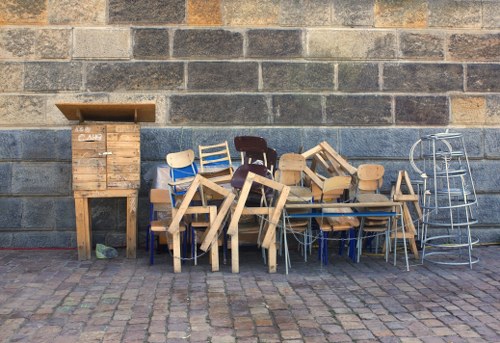
Council large item collection in London refers to the removal of bulky household waste by local authority services. These collections are intended for items that cannot fit into standard household bins or regular recycling containers. Typical examples include armchairs, wardrobes, beds, tables, white goods, and broken household appliances. The service is often called bulky waste collection, large item pickup, or bulky refuse collection depending on the borough.
The main purpose of council large item collection is to help residents dispose of oversized items in a controlled and environmentally responsible way. Councils sort, recycle, and recover materials where possible, reducing the amount of waste sent to landfill. This makes the service valuable not only for convenience but also for sustainability. For many households, it is the easiest and most compliant way to clear space without resorting to illegal dumping or unsafe disposal.
Why does this matter? London generates significant household waste due to its large population, high tenant turnover, and frequent home renovations. Council services help keep streets cleaner and reduce fly-tipping. As a result, council large item collection in London plays a direct role in maintaining neighbourhood quality and public health.
How the Service Typically Works

Although each borough has its own system, council large item collection in London generally follows a similar process. Residents first check whether their local council offers the service and review the list of accepted items. After that, they book a slot online or by phone, pay any applicable fee, and place the items outside their property on the agreed collection day.
In many boroughs, the booking process is straightforward. You may need to provide your address, item types, quantity, and preferred date. Some councils offer a limited number of items per collection or charge by volume, while others have fixed prices for a set number of bulky items. If the items are not ready, blocked, or placed incorrectly, the crew may refuse to take them, so preparation is important.
One of the biggest advantages of council large item collection in London is that it gives residents a lawful alternative to abandoning waste on the pavement or next to communal bins. That kind of disposal can lead to fines and community complaints. By using the council service properly, you help keep your area tidy and support local recycling efforts.
What Items Are Usually Accepted?

Accepted items for council large item collection in London can differ slightly from borough to borough, but there are common categories that most councils will collect. These usually include larger household goods that are no longer practical to store, transport, or place in wheelie bins. Understanding what is accepted helps you avoid booking errors and possible collection refusals.
Typical accepted bulky items include:
- Sofas, armchairs, and recliner chairs
- Beds, mattresses, headboards, and bed frames
- Wardrobes, chests of drawers, and bookcases
- Tables, desks, and chairs
- Carpets and rugs, often cut to a manageable size
- Cookers, fridges, freezers, washing machines, and tumble dryers
- Large toys or household storage units
Some councils also accept garden items such as fence panels, sheds in dismantled form, or outdoor furniture. However, hazardous materials are usually excluded. Paint, chemicals, asbestos, gas bottles, car parts, and builders’ rubble often require specialist disposal. Always check your local borough rules before booking council large item collection in London, especially if your items contain electrical components or sharp materials.
Items Commonly Not Accepted
There are certain materials that councils typically do not collect through standard bulky waste services. These restrictions are important because they help protect waste workers, recycling facilities, and the environment. If you leave non-accepted items with your pile, the collection may be delayed or cancelled.
Examples of items often excluded include:
- Hazardous chemicals and solvents
- Construction debris and renovation waste
- Medical waste and sharps
- Car batteries and engine parts
- Large quantities of soil or hardcore
- Commercial waste from businesses
If you are unsure whether an item is eligible for council large item collection in London, contact your local authority or check its waste policy online. When in doubt, do not assume the council will take it. A little research can prevent wasted money and disappointment on collection day.
Costs, Pricing, and Availability Across London

The cost of council large item collection in London varies significantly depending on the borough. Some councils offer a free collection allowance for certain residents or for a limited number of items, while others charge a fixed fee per visit or per item. In some parts of London, the cost is relatively modest, making council collection a budget-friendly option for routine bulky waste removal.
Pricing is usually influenced by several factors, including item size, weight, labour required, and whether the items need to be collected from inside the property or just from the front boundary. Many councils prefer items to be left at the kerbside or in an accessible communal area. More complex removal requests may involve additional charges or may be outside the normal service scope.
Availability is another key factor. Some boroughs offer same-week or next-week appointments, while others have longer waiting times during busy periods. Spring cleaning season, tenant move-outs, and post-holiday periods often increase demand. If you need council large item collection in London quickly, it is wise to book early and have a backup plan in case your preferred date is not available.
How to Prepare for Collection Day
Good preparation can make council large item collection in London much smoother. The better you organise your items, the less likely you are to face problems such as missed pickups or refusal due to incorrect placement. Councils often provide clear instructions, and following them closely is the easiest way to ensure success.
Here are some practical preparation tips:
- Check the council website for accepted items and restrictions.
- Book your collection in advance and note the confirmed date.
- Place items outside the property only when instructed.
- Do not block pavements, entrances, or fire exits.
- Separate reusable items from waste if your council recommends it.
- Remove personal belongings from furniture and drawers.
For shared buildings, liaise with neighbours or building management if the collection point is communal. In some cases, bulky items may need to be taken to a designated area rather than left in a hallway. Clear communication and proper placement are especially important for council large item collection in London where access can be limited by parked cars, narrow streets, or controlled entry systems.
Why Council Large Item Collection Matters for the Environment

Council large item collection in London supports more sustainable waste management by giving bulky items a structured second life where possible. Rather than simply throwing everything away, councils often sort items for recycling, repair, or material recovery. Wood, metal, textiles, plastics, and electrical components can sometimes be separated and processed responsibly.
This matters because London is under constant pressure to reduce landfill use and cut carbon emissions. When bulky waste is collected through an authorised council service, it is less likely to end up as fly-tipped rubbish on streets, in alleyways, or on green spaces. Illegal dumping can damage ecosystems, attract pests, and create costly clean-up burdens for taxpayers.
Choosing the council route is a practical environmental action. Even when you are only clearing one sofa or one mattress, your decision contributes to a cleaner local area. If the item can be repaired or reused, the council may be able to send it through a reuse or recycling stream. That means council large item collection in London is not just about disposal; it is also about resource recovery.
When You Might Need an Alternative to Council Collection
Situations Where Another Service May Be Better
Although council large item collection in London is useful, it is not always the best option for every situation. Some residents need faster removal, same-day clearance, or help with multiple bulky items from inside a property. Others may have items that councils will not accept, such as construction waste or hazardous materials. In those cases, alternative disposal methods can be more suitable.
Alternatives may include private bulky waste removal, skip hire, charity donation, reuse networks, or direct recycling centre drop-off. Each option has pros and cons. Private removal services often provide more flexibility and can collect from inside the home, garage, or office. Skip hire is useful for renovations but requires space and permits in some cases. Donation is ideal for items that are still in good condition and safe to use.
The right choice depends on your timeline, item type, budget, and access conditions. If your bulky waste is urgent, heavy, or mixed with other waste streams, a private service may be worth considering. Still, for many households, council large item collection in London remains the most practical and affordable first choice.
Useful comparison points
- Council collection: usually cheaper and compliant, but may be slower
- Private collection: faster and more flexible, but often costlier
- Reuse/donation: best for usable items, especially furniture and appliances
- Recycling centre: suitable for those with transport and time
Common Challenges Residents Face
People searching for council large item collection in London often run into similar problems. One common issue is misunderstanding which items are accepted. Another is putting items out too early or too late, which can result in missed collections. Access problems are also common in London because of traffic restrictions, parking limitations, and dense housing layouts.
Another challenge is booking during peak periods. Councils may have limited vehicles and staff, so appointments can fill up quickly. If you are clearing a property after a move, renovation, or tenancy change, last-minute booking may not be possible. Planning ahead is therefore essential, especially if you are working to a deadline.
There can also be confusion about fees. Some residents assume council bulky waste collection is always free, but this is not the case in many boroughs. Checking the fee structure in advance avoids surprises and helps you budget properly. A little preparation makes council large item collection in London far more efficient and less stressful.
How to Avoid Delays or Refusals
To improve the chances of a successful collection, make sure the items are exactly where the council expects them. If instructions say to place items by the front boundary, do not leave them inside the hallway or at the back of the building. If you are in a flat, confirm whether a communal collection point is required. Councils usually apply strict rules because crews must work quickly and safely.
Also, avoid mixing accepted and non-accepted materials. For example, if you book council large item collection in London for a wardrobe, do not leave bags of rubble or paint tins beside it. Keeping different waste types separate helps avoid contamination issues and makes the process smoother. It is also wise to disassemble furniture if the council recommends it, especially for large or awkwardly shaped items.
Clarity saves time. Read the booking confirmation carefully and follow all instructions. If needed, take photos of the items and their placement before collection. This simple step can help if there is any dispute or confusion later.
Best practice checklist
- Confirm collection date and time window
- Use the exact item list provided at booking
- Place items in an accessible location
- Keep pathways clear for collection crews
- Separate electronics, hazardous waste, and recyclables when required
Why London Residents Search for This Service So Often
There is a strong and consistent demand for council large item collection in London because homes in the capital often have limited storage space. Flats, terraced houses, and shared properties can fill up quickly, especially when furniture is replaced or families move home. Seasonal decluttering also pushes people to remove bulky items that have been sitting unused for years.
Landlords and letting agents also use bulky waste services when tenants leave behind unwanted furniture or appliances. In these cases, fast and legal clearance is important to prepare a property for new occupants. The same applies to property managers, housing associations, and office operators who need responsible large item disposal on a regular basis.
Because London is a fast-moving city, the need for efficient waste solutions will always remain high. Council large item collection in London provides a trusted way to manage bulky refuse without overwhelming residents with complexity. When used correctly, it is a simple service with real practical value.
Making the Most of Your Bulky Waste Collection
If you want the best result from council large item collection in London, think strategically about what you are disposing of. Group similar items together, identify anything reusable, and separate out items that may need a special disposal route. You may discover that some objects can be donated, repaired, or recycled instead of being treated as waste.
This is also a good time to declutter responsibly. If you are removing a bed, you may also want to sort bedding, old storage boxes, and other non-bulky items for recycling or reuse. A cleaner space often follows from a well-planned collection, and the process can feel surprisingly freeing once the unwanted items are gone.
Used well, the council service can support a calmer home, a tidier street, and a more organised life. If you have bulky items waiting in a spare room, hallway, or garden, now is a smart time to take action. Contact us today if you need support choosing the right removal option or want a faster alternative to standard council pickup. Book your service now and make room for what matters most.
Final Thoughts on Council Large Item Collection in London
Council large item collection in London remains one of the most practical ways to dispose of oversized household waste. It helps residents remove unwanted items without risking fines, fly-tipping issues, or unsafe handling. The service is especially useful in a city where space is limited and waste needs to be managed efficiently.
While every borough has its own rules, the core principles are similar: check what is accepted, book in advance, prepare items correctly, and follow the council’s instructions carefully. Doing so improves the chances of a smooth collection and helps ensure the materials are handled responsibly.
Whether you are clearing one large item or several pieces of furniture, council large item collection in London can offer a straightforward solution. With the right preparation and a clear understanding of your local rules, you can dispose of bulky waste safely, legally, and with minimal hassle. Take the next step today and choose the most suitable option for your home or property.