Recycling and Rubbish in London: How the City Handles Waste, Reuse, and Responsible Disposal
London is a city that never stops moving, and with that constant activity comes a huge amount of waste. From household rubbish and office clear-outs to construction debris and commercial recycling, managing recycling and rubbish in London is a daily priority for residents, businesses, and local authorities alike. The good news is that London has a growing waste network designed to support cleaner streets, better recycling habits, and more sustainable disposal choices.
Whether you live in a flat in Zone 1, run a shop in North London, or manage a renovation project in East London, understanding how rubbish removal in London works can save time, reduce costs, and help you make greener decisions. This article explores the city’s waste system, practical recycling tips, common disposal challenges, and the services available for households and businesses that want to handle waste responsibly.
We will also look at how to reduce landfill use, separate waste correctly, and choose the right approach for bulky items, garden waste, office clearance, and construction rubble. If you are looking for simple, effective ways to manage recycling and rubbish in London, you are in the right place.
Understanding Recycling and Rubbish in London
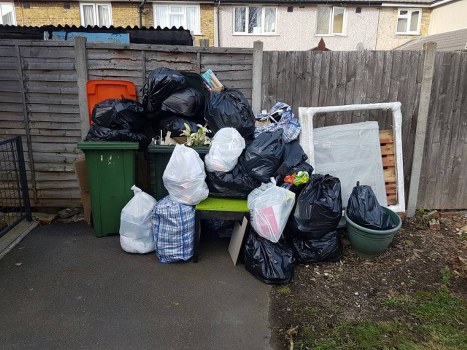
London’s waste management system is built around a combination of local council collections, private waste services, recycling centres, and specialist disposal options. At a basic level, rubbish in London includes everyday household waste, food scraps, packaging, broken furniture, electronics, garden clippings, and any other materials that cannot be reused immediately. Recycling in London focuses on diverting suitable materials away from landfill and into processing streams where they can be turned into new products.
This may sound straightforward, but the reality is more nuanced. Different boroughs often have different collection schedules, bin colours, and accepted materials. That means a resident in one part of London may be able to recycle items that another borough does not accept in the same way. For that reason, it is important to know your local rules before disposing of anything.
Recycling and rubbish in London are also shaped by the city’s density. High-rise buildings, narrow streets, limited storage space, and heavy traffic all affect how waste is stored and collected. As a result, many people rely on a mix of council services, private rubbish removal companies, and skip hire to keep homes and businesses clear.
Why Waste Management Matters in a Busy City
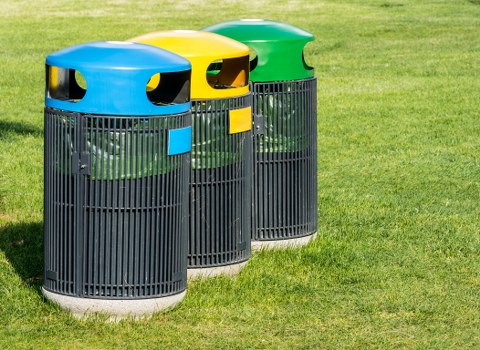
Effective waste management is not just about keeping properties tidy. It has a direct impact on public health, environmental sustainability, and the overall appearance of the city. When rubbish is left uncollected, it can attract pests, create bad odours, block pavements, and contribute to fly-tipping. Well-organised recycling and rubbish services help prevent these issues and keep London functioning smoothly.
There is also a major environmental benefit. The more waste that can be reused, recycled, or recovered for energy, the less pressure there is on landfills and virgin raw materials. Metal, glass, cardboard, paper, plastics, and certain electrical items can often be processed and used again in manufacturing. That reduces carbon emissions and supports a circular economy.
For households and businesses, making better waste choices can also be financially smart. When you separate recyclables properly, book the right size collection, or avoid unnecessary disposal fees, you can often lower your overall waste costs. In many cases, smarter rubbish removal in London starts with better sorting at the source.
Common Types of Rubbish in London
London produces a wide variety of waste every day. Knowing the main categories can help you decide how to dispose of them properly and what should be recycled instead of thrown away.
- Household rubbish: food waste, packaging, broken household items, and general black-bag waste.
- Recyclables: paper, cardboard, cans, bottles, jars, and selected plastics.
- Bulky waste: sofas, wardrobes, mattresses, tables, and other large furniture.
- Garden waste: grass cuttings, branches, hedge trimmings, leaves, and soil.
- Electrical waste: TVs, laptops, chargers, kettles, and other WEEE items.
- Construction waste: rubble, plasterboard, wood, metal, tiles, and packaging from renovation work.
Each of these waste types can require a different disposal route. For instance, a mattress may need special treatment, while cardboard from a delivery can usually be recycled if it is clean and dry. Understanding these differences is a key part of responsible recycling and rubbish in London.
It is also worth noting that some materials are classed as hazardous or restricted. Paints, solvents, batteries, fluorescent tubes, and certain chemicals should not go into ordinary bins. They need separate handling to avoid environmental damage and health risks.
How Recycling Works Across London Boroughs
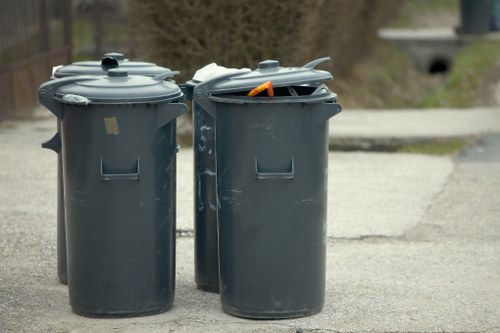
London is made up of many boroughs, and each one may operate slightly differently when it comes to waste collection. Some provide food waste collections, some have mixed recycling bins, and others use separate containers for paper, plastics, and glass. This means residents must check the system used by their specific council rather than assuming the rules are citywide.
In many boroughs, the council collects general waste and recycling on a weekly or fortnightly basis. Some properties also receive garden waste collections for an additional charge. Flats and estates may use communal bins or shared bin stores, which can make recycling more challenging if residents are not careful about contamination.
Contamination happens when non-recyclable items are placed in recycling bins. A greasy pizza box, for example, may not be accepted if heavily soiled. Likewise, plastic bags, food waste, and certain soft plastics can interfere with sorting machinery. Keeping recyclable materials clean and dry improves the efficiency of recycling and rubbish services in London.
What Can Usually Be Recycled?
Although every council has its own rules, the following items are commonly accepted in some form of recycling stream across London:
- Paper and cardboard
- Glass bottles and jars
- Metal cans and tins
- Plastic bottles and containers
- Food and drink cartons in certain areas
- Textiles and clothing through donation or dedicated collection schemes
- Small electrical items at approved recycling points
Before placing items in your recycling container, always check whether lids, caps, and labels should be left on or removed. Small details can make a big difference. For example, flattening cardboard boxes saves space, while rinsing food containers can help reduce contamination.
Recycling and rubbish in London works best when everyone takes a few extra seconds to sort items correctly. That small effort can improve recycling rates across the city and reduce the amount of waste sent for disposal.
Household Rubbish: Managing Everyday Waste at Home
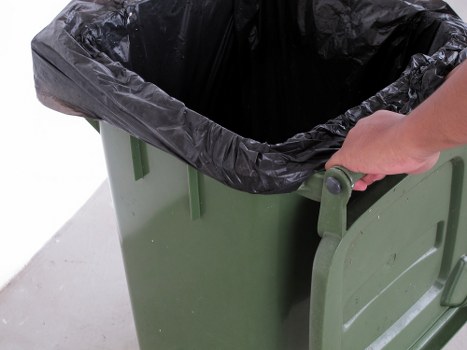
For many Londoners, the biggest waste challenge is simply keeping up with everyday rubbish. In smaller flats and busy shared homes, bins can fill quickly, especially when there are several people, frequent deliveries, and limited storage space. Good household waste habits make a real difference.
Start by separating waste into clear categories. Keep general rubbish, recyclables, food waste, and reusable items apart as much as possible. Use stackable containers, labelled bags, or under-counter bins to avoid confusion. If you are moving house or decluttering, create a separate pile for items that could be donated, repaired, or sold rather than discarded.
Many residents also rely on private rubbish removal in London for larger jobs such as loft clearances, garage clean-outs, and old furniture disposal. This can be especially helpful when council collections are too slow, or when you need same-day removal of bulky items. A professional service can save time and reduce the hassle of transporting waste yourself.
Practical Tips for Reducing Household Waste
Reducing waste is one of the most effective ways to improve recycling and rubbish in London. Even small changes can lower the amount of material going to landfill.
- Buy only what you need to avoid packaging waste.
- Choose reusable bags, bottles, and food containers.
- Repair items before replacing them.
- Donate clothing, books, and homeware in good condition.
- Compost suitable food and garden waste where possible.
- Plan meals to reduce food spoilage.
Less waste at the source means less to sort, collect, and dispose of later. That is why waste prevention is often more valuable than disposal itself. It saves money, conserves resources, and helps London move toward a cleaner future.
Business Waste and Commercial Recycling in London
Businesses in London generate a significant portion of the city’s waste, from office paper and packaging to restaurant food scraps and retail stock waste. Commercial recycling is essential for keeping workplaces compliant, efficient, and environmentally responsible. It also supports a stronger brand image for companies that want to be seen as sustainable and well organised.
Offices often produce large amounts of paper, toner cartridges, confidential documents, and old IT equipment. Retail stores may have cardboard, display materials, damaged stock, and delivery packaging. Restaurants and cafes create food waste, glass, tins, and other mixed materials that need regular collection. Each business type has different requirements, but the goal is the same: reduce rubbish, increase recycling, and keep the premises clear.
Many London businesses use scheduled collections from private waste contractors rather than relying solely on council services. This is especially useful when waste volumes are high, collection times need to be flexible, or specialist streams such as confidential shredding or WEEE recycling are involved. For many companies, organised recycling and rubbish in London is an essential part of day-to-day operations.
Benefits of Better Business Recycling
There are several practical reasons to improve commercial recycling and waste handling in London:
- Lower disposal costs through better segregation
- Reduced risk of overflowing bins and clutter
- Improved workplace hygiene and safety
- Greater compliance with waste regulations
- Stronger sustainability credentials
- Less waste sent to landfill or incineration
Businesses should also train staff on what goes where. Clear signage near bins, regular waste audits, and simple sorting instructions can dramatically improve recycling rates. When staff know how to separate food waste, cardboard, and mixed rubbish correctly, the entire system works better.
Effective commercial waste management is not just a box-ticking exercise; it is a practical way to reduce costs and support long-term sustainability.
Bulky Waste, Furniture Disposal, and Clearances
One of the most common reasons London residents and businesses seek rubbish removal services is bulky waste. Large items are awkward to move, difficult to store, and often unsuitable for regular bin collections. Sofas, wardrobes, office chairs, bed frames, and mattresses can quickly become a problem if left in hallways or on the pavement.
Bulky waste should be dealt with properly to avoid fly-tipping and safety hazards. If an item is still usable, consider donating it, offering it to someone who needs it, or selling it second-hand. If it is damaged or beyond repair, arrange for responsible disposal through a licensed waste provider or council bulky item service.
Clearance services are especially useful after tenancy changes, end-of-office moves, home renovations, and estate clear-outs. These jobs often produce mixed waste streams, which need to be separated carefully. Choosing a reliable rubbish removal option in London can make the process much faster and less stressful.
How to Handle Bulky Items Responsibly
Before disposing of large waste items, consider the following steps:
- Check whether the item can be reused, repaired, or donated.
- Remove personal belongings, cushions, batteries, or detachable parts.
- Confirm whether the item is accepted by your local council.
- Use a licensed waste carrier for private removal.
- Ask whether the provider separates recyclable components such as metal or wood.
Taking these steps helps reduce waste and ensures that bulky rubbish in London is handled in the most responsible way possible. Book your service now if you need fast help with large-item disposal and want the job done properly.
Construction Waste and Renovation Debris
Building and renovation projects generate a lot of waste, especially in a city where properties are constantly being upgraded or refurbished. Construction waste may include bricks, concrete, plasterboard, timber, packaging, metal offcuts, tiles, and broken fixtures. Because this type of waste is heavy and often mixed, it requires a more specialised approach than ordinary household rubbish.
For smaller home projects, a skip or man-and-van rubbish removal service may be the best choice. Larger sites often need scheduled collections, waste transfer notes, and separate handling for recyclable materials. The aim is to keep the site safe while maximising recycling and reducing disposal costs.
Some materials from construction waste can be recovered and reused. Metal is highly recyclable, clean timber may have other uses, and certain masonry materials can be processed into aggregates. The more waste is sorted at the source, the better the outcome for both the environment and the budget.
Hazardous and Restricted Waste in London
Not all rubbish can be placed in ordinary bins or collected in the same way as household waste. Hazardous and restricted items must be treated with extra care to protect people and the environment.
- Paint and solvents
- Batteries
- Asbestos
- Fluorescent tubes
- Gas canisters
- Certain electrical components
- Chemicals and cleaning agents
If you are unsure about an item, do not mix it with general rubbish. Instead, check local guidance or use a specialist service that is authorised to handle hazardous materials. This is a crucial part of safe recycling and rubbish management in London.
Never dump hazardous waste illegally. Fly-tipping is harmful, costly to clean up, and can lead to serious penalties. Responsible disposal protects both the community and the environment.
Fly-Tipping, Street Waste, and Community Impact
Fly-tipping remains a major challenge in London. Abandoned sofas, dumped sacks of rubble, and illegally discarded bags of rubbish can appear in alleyways, beside bins, or on quiet roads overnight. This creates an eyesore, blocks public spaces, and can attract vermin. It also places pressure on councils and residents who must deal with the consequences.
Preventing fly-tipping starts with easy access to legal disposal options. When people know where to take waste and can book collections without difficulty, there is less temptation to dump it illegally. Education also matters. The more residents understand how recycling and rubbish in London works, the more likely they are to dispose of items correctly.
Community action can help too. Reporting dumped waste quickly, keeping bin areas tidy, and encouraging neighbours to sort rubbish properly all contribute to cleaner streets. London’s waste system works best when everyone plays a part.
Choosing the Right Rubbish Removal Option
There are several ways to manage waste in London, and the best option depends on the type and amount of rubbish you have. Council collections work well for everyday household waste and some bulky items. Recycling centres are useful for delivering sorted waste yourself. Private rubbish removal services are ideal when you need convenience, speed, or help with heavy lifting.
When comparing options, think about the following factors:
- The size and type of waste load
- Whether you need same-day or scheduled collection
- How much lifting or sorting you want to do yourself
- Whether recyclable materials should be separated
- Any restrictions for hazardous or bulky items
If your priority is convenience, a private service can collect waste from inside your property, sort it responsibly, and transport it for recycling or disposal. That can be especially helpful in busy parts of the city where parking, access, and timing are challenging.
How Londoners Can Improve Recycling Rates
Improving recycling and rubbish habits across London does not require major changes. Small actions repeated consistently can have a big impact.
- Read council recycling instructions carefully.
- Keep recyclable materials clean and separate.
- Use donation and reuse channels before throwing items away.
- Choose services that prioritise recycling over landfill.
- Encourage family members, housemates, or employees to follow the same system.
These simple steps can make waste sorting more efficient at home or at work. They also help support a stronger recycling culture in the capital.
Better habits lead to better outcomes, and better outcomes make recycling and rubbish in London easier for everyone.
The Future of Recycling and Rubbish in London
London’s waste system continues to evolve as the city grows and sustainability becomes more important. More emphasis is being placed on reuse, repair, and material recovery. Packaging rules are changing, digital tools are making waste reporting easier, and businesses are being encouraged to track their environmental impact more closely.
In the future, we can expect greater focus on reducing contamination, increasing collection efficiency, and improving public access to recycling information. More residents are already asking what can be reused, what can be donated, and what can be recycled correctly. That change in attitude is essential if London is to reduce landfill dependency and support a cleaner urban environment.
For households and companies alike, the message is clear: recycling and rubbish in London is not just about disposal. It is about making smarter decisions with materials, cutting unnecessary waste, and contributing to a more sustainable city.
Final Thoughts on Responsible Waste Handling
Whether you are sorting kitchen waste, clearing a home, managing office recycling, or booking a bulky waste collection, the principles remain the same: reduce where possible, reuse whenever practical, and recycle as much as you can. When rubbish does need to be removed, choosing the right method ensures it is handled legally and responsibly.
London has the infrastructure, services, and expertise to manage waste well, but success depends on people using those systems correctly. By staying informed and making a few extra efforts, residents and businesses can play a meaningful role in reducing pollution, supporting recycling, and keeping the city clean.
If you are ready to clear space, improve waste handling, or arrange a fast collection, contact us today or book your service now to take the next step toward cleaner, easier waste management in London.