Council Rubbish Collection in London: What Residents Need to Know
Council rubbish collection in London plays a vital role in keeping neighborhoods clean, safe, and pleasant to live in. With millions of residents across the capital, waste management is not just a basic public service; it is an essential part of daily urban life. From regular household rubbish pickup to recycling, bulky waste removal, and special disposal rules, understanding how council rubbish collection works can save time, reduce fines, and help residents dispose of waste responsibly.
Whether you live in a flat in Central London, a terraced home in South London, or a shared property in North London, council waste collection services are designed to support different needs. However, collection schedules, bin types, recycling rules, and reporting procedures can vary between boroughs. That means staying informed is important if you want to avoid missed collections, overflowing bins, or unnecessary penalties.
In this article, we explore how council rubbish collection in London works, what residents can expect, how to prepare waste correctly, and what options exist for large items, garden waste, and unusual disposal needs. If you are looking for practical insight into London rubbish collection, this article will help you make smarter decisions and keep your property tidy.
Understanding Council Rubbish Collection in London
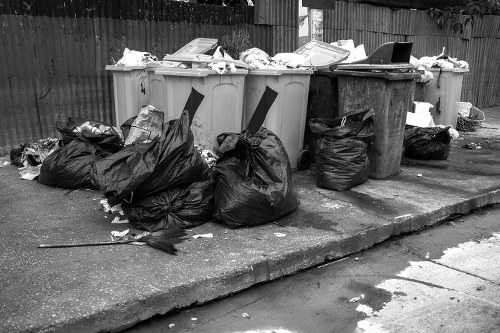
Council rubbish collection in London is managed by individual borough councils rather than by one central authority. This means the service in Hackney may differ from the service in Westminster, and both may differ again from what you find in Croydon or Camden. Each borough sets its own collection timetable, recycling policy, and rules for what can and cannot be placed in bins.
At its core, the service exists to remove everyday household waste from homes, flats, and certain communal properties. It typically includes general waste, recycling, food waste in some areas, and sometimes garden waste if residents subscribe to that service. For many households, council rubbish collection is the most practical and affordable way to manage domestic waste.
Because London is so densely populated, waste collection systems must balance efficiency, accessibility, and environmental responsibility. That is why councils often encourage residents to separate waste properly, reduce contamination in recycling bins, and follow set collection times closely. Proper use of council rubbish collection in London helps keep streets clean and supports city-wide sustainability goals.
How London Boroughs Organize Rubbish Collection
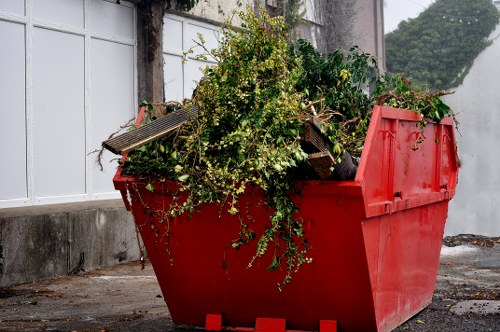
Every borough council has its own waste management calendar. In one area, general waste may be collected once a week, while recycling may be collected on the same day or on a separate schedule. In another borough, food waste may be collected weekly while garden waste is collected fortnightly or seasonally. This local variation is one of the most important things to understand about council rubbish collection in London.
Residents usually receive a waste calendar or can check the council website for collection dates. Missed a collection day? Most councils do not offer an immediate re-collection unless the service was missed due to operational issues. That is why placing bins out on time is crucial. Some councils also have specific instructions for where bins should be stored and positioned on collection day.
In areas with flats or communal bin stores, collection arrangements can be more complex. Property managers, landlords, or housing associations may coordinate with the council, while residents are expected to dispose of waste in the correct shared containers. Clear communication and proper waste separation are essential in these settings to prevent overflowing bins and pest issues.
Types of Waste Collected by Councils
Council rubbish collection in London usually covers several categories of waste. Understanding these categories makes it easier to use the service correctly and avoid contamination or rejected bins. The main types include general household waste, mixed recycling, food waste, and sometimes garden waste depending on the borough.
General waste is any non-recyclable household rubbish, such as contaminated packaging, hygiene products, broken household items that cannot be recycled, and other everyday refuse. Recycling typically includes paper, cardboard, plastic bottles, cans, tins, and glass, although exact accepted items vary by borough.
Food waste collection is becoming more common across London. Many councils encourage residents to separate food scraps, fruit peelings, tea bags, coffee grounds, and similar items into dedicated caddies. This helps reduce landfill waste and supports composting or energy recovery. Using the right bin for the right waste stream is one of the simplest ways to improve the effectiveness of council rubbish collection in London.
Recycling Rules and Best Practice

Recycling is a major focus of waste management in London, but contamination is a common problem. If the wrong items are placed in a recycling bin, councils may reject the whole load or send it to landfill. That is why residents should always check local recycling rules before placing items out for collection.
Typical recycling mistakes include plastic bags in mixed recycling, food residue on containers, black bin bags containing recyclable items, and broken glass mixed with other waste. Councils usually ask residents to rinse containers lightly, flatten cardboard, and avoid bagging recyclables unless specifically instructed.
For households trying to improve their recycling habits, the key is consistency. Keep bins labeled, store waste separately inside the home, and make it easy for everyone in the household to follow the same routine. Better recycling practices not only support council rubbish collection in London but also reduce the amount of waste sent for disposal.
Useful recycling habits for London households
- Rinse food containers before placing them in the recycling bin.
- Flatten cardboard boxes to save space.
- Keep batteries, electronics, and textiles out of mixed recycling.
- Check borough-specific rules for plastics and glass.
- Store recycling clean and dry where possible.
Missed Collections and What to Do Next
A missed bin collection can be frustrating, especially in busy households or shared accommodation. If your council rubbish collection in London does not happen as scheduled, the first step is to confirm whether your bin was placed out correctly and on time. Councils generally require bins to be at the kerbside or designated collection point by a certain hour.
If you did everything correctly, most boroughs allow you to report a missed collection online. They may investigate the issue and arrange a follow-up if the missed pickup was due to an operational error. However, if the bin was not presented correctly, overfilled, or contained the wrong type of waste, the council may refuse to collect it.
It is also worth noting that weather, road closures, vehicle access, and industrial action can affect rubbish collection schedules. For households and landlords alike, keeping track of changes through council updates is important. Staying proactive can prevent waste from piling up and becoming a sanitation issue.
When a collection is missed
- Check your collection date and time.
- Confirm the bin was presented correctly.
- Review council alerts for service disruptions.
- Report the missed collection if needed.
- Wait for instructions before taking further action.
Bulky Waste and Large Item Disposal

Not everything can go into a standard household bin. Sofas, mattresses, wardrobes, broken appliances, and other large items usually require a separate bulky waste collection. Many London councils offer this service, though some charge a fee and require booking in advance. This is a valuable part of council rubbish collection in London for residents who are moving, renovating, or clearing out old furniture.
Bulky waste collection rules vary widely. Some boroughs limit the number of items per booking, while others have restrictions on electrical goods, fridges, or items containing hazardous materials. It is important to separate reusable items from waste where possible, especially if charity donation, reuse schemes, or resale are options.
Large item disposal can be especially useful for households without a vehicle or access to a nearby reuse centre. Rather than illegally dumping an unwanted mattress or broken table, residents can arrange lawful collection through the council. Responsible disposal of bulky waste supports cleaner streets and reduces fly-tipping across London.
Examples of bulky items often collected separately
- Mattresses and bed frames
- Sofas and armchairs
- Wardrobes and drawers
- Broken washing machines or cookers
- Old carpets and underlay
Garden Waste Collection in London
For residents with access to a garden, council rubbish collection in London may also include a garden waste service. This is often an optional paid subscription rather than a free service. Councils collect grass cuttings, hedge trimmings, small branches, leaves, and other organic garden debris. However, accepted items can vary between boroughs, and some councils restrict the size or weight of branches.
Garden waste should not be mixed with general rubbish or recycling. Doing so can create contamination issues and reduce the chances of organic material being composted properly. Many councils request that garden waste be placed in a dedicated brown bin or approved sacks, depending on the local system.
Garden waste collection is especially useful in spring and summer when outdoor maintenance increases. If you are trimming hedges, clearing lawns, or tidying flowerbeds, a regular garden waste pickup can save repeated trips to a recycling centre. For homeowners and tenants alike, this can make outdoor upkeep much more manageable.
How Council Rubbish Collection Supports Clean London Streets
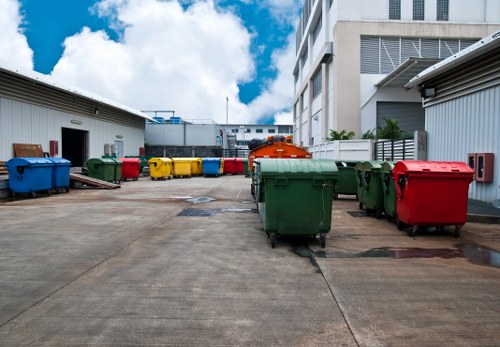
Effective rubbish collection is about much more than empty bins. It contributes to public health, pest prevention, neighborhood appearance, and environmental protection. When council rubbish collection in London runs smoothly, residents enjoy cleaner pavements, fewer odors, and a reduced risk of vermin problems such as rats and foxes accessing waste.
London’s urban density means waste can accumulate quickly if collection systems are not followed properly. Overflowing bags on the street attract wildlife, create hazards for pedestrians, and can damage the image of a neighborhood. Councils therefore invest heavily in collection vehicles, route planning, recycling education, and enforcement to keep waste under control.
Residents also play an important role in this process. By using bins correctly, keeping lids closed, and avoiding illegal dumping, households help maintain a cleaner city. Council rubbish collection in London works best when residents and local authorities cooperate to support efficient, responsible waste handling.
Common Problems Residents Face with Council Waste Services
Although council rubbish collection in London is essential, it is not always perfect. Some of the most common issues include bins being missed, limited storage space for bins, shared-bin disputes, confusion over recycling rules, and delays during holiday periods. In high-density areas, bin access can become particularly challenging.
Another frequent issue is incorrect waste presentation. If bins are overfilled, lids do not close properly, or bagged rubbish is left outside bins, collections may be refused. Many councils insist on strict presentation rules to maintain efficiency and safety for collection crews. This is especially important in narrow streets, apartment blocks, and roads with limited parking.
To reduce these problems, households should keep a simple waste routine, monitor council announcements, and clarify responsibilities in shared housing. Good planning helps avoid waste-related stress and keeps the collection process running smoothly.
Typical waste service challenges
- Missed or delayed collections
- Insufficient bin space in flats or HMOs
- Confusion about which items are recyclable
- Spillages caused by overfilled bins
- Fly-tipping near communal areas
Tips for Using Council Rubbish Collection Efficiently
If you want to get the most from council rubbish collection in London, a few simple habits can make a major difference. First, learn your borough’s specific rules and collection timetable. Second, separate waste at source so your household knows exactly where each item belongs. Third, avoid leaving waste out early, because this can create clutter and attract animals.
It is also helpful to compact recyclable items where possible and ensure food waste is sealed correctly. If you live in a flat, check whether a caretaker or building manager has additional rules for bin stores. Following local instructions may seem minor, but it prevents enforcement issues and helps the collection team work efficiently.
For larger cleanouts, plan ahead. Do not wait until rubbish has accumulated beyond the capacity of your household bins. Book bulky waste removal early, and consider reuse, donation, or repair before disposal. A well-organized approach to council rubbish collection in London saves time, space, and effort.
Environmental Benefits of Proper Waste Disposal
London’s waste strategy increasingly focuses on sustainability, and council rubbish collection is a key part of that effort. Recycling reduces the need for raw materials, food waste collection supports composting and energy generation, and well-managed disposal lowers landfill dependency. When residents follow correct sorting practices, the environmental benefits multiply.
Improper waste disposal, by contrast, increases greenhouse gas emissions, wastes valuable materials, and can pollute land and waterways. Even a small improvement in household habits can have a meaningful impact when multiplied across millions of residents. That is why council rubbish collection in London is not just a municipal routine; it is part of a broader environmental responsibility.
People who care about sustainability should see waste separation as an everyday action with long-term effects. Every correctly sorted bin contributes to a cleaner and more resource-efficient city. For many households, this is one of the easiest ways to support greener living.
How to Stay Informed About Local Collection Changes
Because each borough operates differently, residents should regularly check local council updates for changes to rubbish collection schedules, bank holiday adjustments, missed service alerts, and seasonal changes to garden waste pickup. Many councils provide email alerts, online calendars, and mobile-friendly pages to help residents stay informed.
It is wise to keep the council’s waste collection page bookmarked and review it whenever you move home, change bin arrangements, or begin a large clear-out. In shared buildings, make sure everyone understands the same process so that one resident’s mistake does not affect the whole property. This is especially useful in areas with communal bins or restricted access.
If your circumstances change, such as after a renovation or a household increase, check whether you need extra capacity or a different service. Staying up to date with council rubbish collection in London helps you avoid disruption and manage waste more efficiently.
When to Consider Additional Waste Removal Options
Although council rubbish collection in London is suitable for everyday domestic waste, there are times when it may not be enough. Home moves, office clear-outs, refurbishment projects, and major decluttering often generate more waste than normal bins can handle. In those situations, residents may need temporary additional waste removal support.
For example, after a renovation, you may have plasterboard, timber offcuts, packaging, or debris that do not belong in regular household bins. Similarly, after clearing a garage or loft, you might need to dispose of several categories of mixed items. These situations require planning so waste is removed safely and legally.
Even when using council services, it helps to think ahead about volume, timing, and disposal rules. The right waste solution depends on the amount and type of rubbish involved. If your household waste is becoming difficult to manage, explore the options available before it becomes a bigger problem.
Situations that may need extra planning
- Moving home or downsizing
- Kitchen or bathroom renovations
- Garden landscaping projects
- Post-event cleanup
- End-of-tenancy clearances
Conclusion: Making Council Rubbish Collection Work for You
Council rubbish collection in London is a practical, necessary service that keeps the city clean and supports sustainable waste management. While the rules differ by borough, the basic principles are the same: sort waste properly, present bins correctly, follow the timetable, and stay informed about local updates. When residents do these things consistently, the whole system works better.
From recycling and food waste to bulky items and garden debris, London councils provide multiple channels for responsible disposal. The more familiar you become with your borough’s requirements, the easier it is to avoid missed collections, contamination issues, and unnecessary stress. This is especially important in a city where waste volumes are high and public spaces are closely shared.
If you want cleaner surroundings, fewer waste problems, and a smoother routine at home, make council rubbish collection part of your weekly planning. Contact us today if you need help understanding your waste removal options, or book your service now to keep your property clear, organized, and compliant with local expectations.