Waste Collection in London: Practical Solutions for Homes, Businesses, and Construction Sites
Waste collection in London is more than a routine service; it is a vital part of keeping one of the world’s busiest cities clean, safe, and efficient. From household rubbish and office clearances to bulky waste and construction debris, London waste collection services help people and organisations manage unwanted materials responsibly. In a city where space is limited and regulations are strict, reliable waste collection in London supports hygiene, sustainability, and smooth day-to-day living.
Whether you need regular collections, one-off removals, or a tailored rubbish clearance plan, understanding how waste collection in London works can help you save time, reduce costs, and stay compliant. With growing awareness around recycling, environmental protection, and ethical disposal, more residents and businesses are looking for efficient ways to handle waste without unnecessary hassle.
The good news is that London offers a wide range of waste management options designed to suit different needs. From borough-led collections to private waste removal services, there are practical solutions for domestic, commercial, and specialist waste streams. Below, we explore the key aspects of waste collection in London, how to choose the right service, and why proper disposal matters for the capital’s future.
Why Waste Collection in London Matters
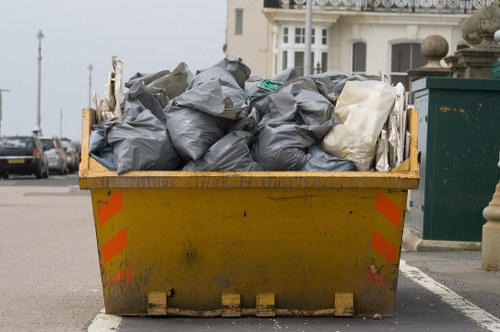
Waste collection in London plays a central role in public health and urban life. The city produces enormous volumes of rubbish every day, and without well-organised collection systems, streets, workplaces, and residential areas would quickly become unsafe and unpleasant. Efficient rubbish collection reduces the risk of pests, bad odours, and contamination, while also helping communities maintain a tidy and welcoming environment.
For households, timely waste collection in London prevents bins from overflowing and keeps properties more manageable. For businesses, especially in retail, hospitality, and offices, dependable collection helps maintain professionalism and supports compliance with local waste regulations. For construction and renovation projects, proper waste removal is essential for keeping sites clear and reducing hazards.
There is also a strong environmental reason to take waste collection seriously. London is working toward more sustainable practices, and that means increasing recycling rates, reducing landfill use, and encouraging responsible disposal. When waste collection in London is handled correctly, recyclable items can be separated, reusable materials can be recovered, and the amount of waste sent to landfill can be reduced.
How the City Benefits from Better Waste Management
Improved waste collection in London benefits everyone. Cleaner roads and neighbourhoods make the city more attractive for residents, visitors, and investors. Efficient handling of rubbish also supports local councils and private operators by reducing missed collections and unplanned accumulation of waste. In practical terms, good waste management means fewer disruptions and better use of resources.
- Reduced street litter and fly-tipping
- Safer public and private spaces
- Higher recycling and recovery rates
- Better compliance with waste disposal rules
- Improved city image and liveability
Types of Waste Collection Services in London
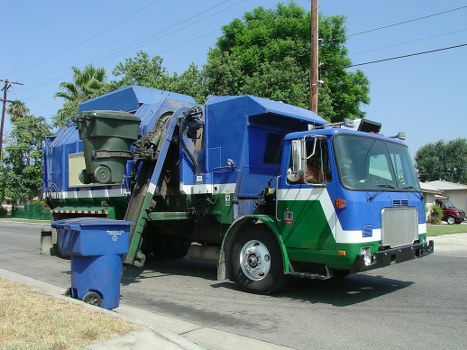
Waste collection in London covers a broad range of services, each designed for specific types of waste and customer needs. Some people need simple domestic rubbish removal, while others require scheduled commercial collections or specialist hazardous waste handling. Knowing the available options makes it easier to choose the right service and avoid paying for features you do not need.
Domestic waste collection usually involves household rubbish, garden waste, furniture removal, and occasional bulky items. Many boroughs provide scheduled bin collections, but private providers are often used when homeowners need fast clearances, larger capacity, or help with items that will not fit in standard bins. This flexibility makes waste collection in London especially useful in densely populated areas.
Commercial waste collection is equally important. Offices, shops, restaurants, warehouses, and hotels all produce different waste streams. Some require daily collections, while others need weekly or customised pickup schedules. A reliable service helps businesses stay clean, efficient, and compliant with waste handling regulations.
Common Waste Categories
Waste collection in London often includes the following categories:
- General household waste – everyday rubbish from homes and flats.
- Recyclables – paper, cardboard, glass, plastics, and metals.
- Garden waste – soil, branches, grass cuttings, and green waste.
- Bulky waste – sofas, mattresses, wardrobes, and appliances.
- Commercial waste – office, retail, and hospitality rubbish.
- Construction waste – rubble, timber, plasterboard, and demolition debris.
- Specialist waste – electrical items, hazardous materials, and confidential documents.
Each category may require different handling methods, and in many cases, waste collection in London must meet specific legal and environmental standards. Choosing the correct service type ensures that waste is moved safely and processed in the right facility.
How Waste Collection in London Works
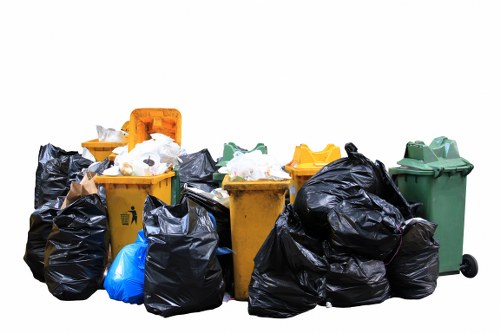
The process for waste collection in London can vary depending on whether you use a council service or a private operator. Borough councils usually manage standard household collections through regular bin rounds. Residents place their bins out on the designated day, and crews collect them according to the local schedule. Recycling containers and food waste bins may also be collected separately.
Private waste collection in London works differently. Customers typically book a pickup time, describe the waste they need removed, and receive an estimated price based on volume, type, and access. Teams arrive at the property, load the waste, and transport it to authorised facilities for sorting, recycling, or disposal. This is often the preferred choice for larger clearances or when speed is important.
For businesses, the service may be arranged as a recurring contract. Collection schedules can be tailored to match the amount of waste produced, which is especially useful in sectors with predictable daily output. Waste collection in London is therefore not a one-size-fits-all service; it is a flexible system designed to meet the demands of a large and varied city.
Typical Steps in a Private Collection
Here is what usually happens when you arrange waste collection in London with a private provider:
- You identify the type and volume of waste.
- You choose a same-day, next-day, or scheduled collection.
- The team provides a quote based on your needs.
- Collectors arrive and safely load the waste.
- The materials are taken to a licensed transfer station or recycling facility.
- Items are sorted, recycled where possible, and disposed of responsibly.
This straightforward process is one reason why waste collection in London is widely used by homeowners, landlords, estate managers, and businesses that need dependable service without delay.
Domestic Waste Collection for London Homes

Domestic waste collection in London is a necessity for flats, terraced houses, shared homes, and larger family properties alike. In a city where many residents have limited storage space for bins, efficient rubbish removal becomes even more important. From weekly household bin collections to occasional clear-outs, reliable domestic services help households stay organised and uncluttered.
Many residents choose private waste collection in London when they need to remove items beyond standard council services. This can include broken furniture, old carpets, mattresses, garden cuttings, and renovation leftovers. Instead of waiting for council bulky waste slots, a private team can often collect items quickly and at a time that suits the household.
Another common reason people seek domestic waste collection in London is to support moving house, spring cleaning, or end-of-tenancy clearances. When time is short, having a team remove unwanted items can make the entire process far less stressful. Fast rubbish removal is especially valuable in busy urban settings where access, parking, and storage are often limited.
Benefits for Homeowners and Tenants
Domestic waste collection in London provides several clear benefits:
- Saves time during household clear-outs
- Reduces clutter and improves living space
- Supports recycling and ethical disposal
- Helps with moves, refurbishments, and tenancy changes
- Offers a flexible alternative to standard council schedules
For many households, the convenience of flexible waste collection in London makes it easier to manage everyday life without accumulation of unwanted items.
Commercial Waste Collection for London Businesses
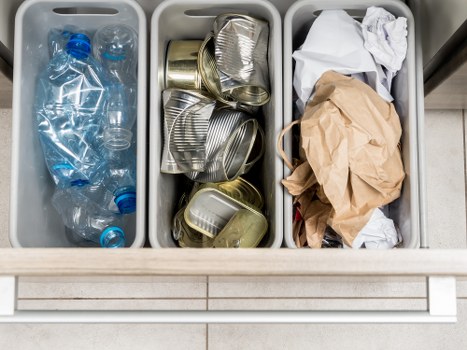
Commercial waste collection in London is essential for businesses that need to maintain clean, compliant, and efficient premises. Offices generate paper, packaging, food waste, and old equipment. Retail stores create cardboard, wrapping, damaged stock, and display materials. Restaurants and cafes produce food waste, glass, and mixed refuse. Each sector has unique requirements, which is why tailored waste collection in London is so valuable.
A good commercial service should be consistent, reliable, and flexible enough to adapt as your business changes. Whether you run a small independent shop or a large multi-site operation, waste collection in London can be scheduled to minimise disruption and maximise efficiency. Many providers also support recycling segregation, helping businesses meet sustainability goals and reduce disposal costs over time.
Businesses also need to consider legal responsibility. In the UK, commercial waste must be handled by licensed carriers, and duty-of-care obligations apply to many organisations. Choosing professional waste collection in London helps reduce risk and demonstrates a responsible approach to waste management. It also supports a cleaner workplace, which can positively affect staff wellbeing and customer impressions.
Industries That Commonly Use Commercial Waste Services
- Offices and co-working spaces
- Retail shops and shopping units
- Restaurants, pubs, and cafés
- Hotels and serviced apartments
- Warehouses and logistics companies
- Schools, colleges, and training centres
- Healthcare and care facilities
In each of these sectors, waste collection in London can be tailored to the volume and type of waste produced, making it a practical and scalable solution.
Construction and Renovation Waste in London
Construction waste collection in London is another major service area, particularly in a city where building, refurbishment, and property upgrades are constant. Renovation projects produce rubble, plasterboard, wood, metal, packaging, old fixtures, and mixed debris. Without proper clearance, these materials can slow down work and create safety risks.
Contractors and property owners often need waste collection in London that can keep up with the pace of a project. That might mean skip alternatives, grab-style removals, or scheduled site clearances. The best solution depends on access, project size, waste type, and disposal volume. In tight urban locations, where space for skips is limited, labour-based waste collection in London can be especially effective.
Construction waste must be managed responsibly because some materials are recyclable while others require specialist treatment. By separating reusable timber, metal, and aggregates from mixed rubble, teams can reduce landfill use and support sustainable building practices. This is one of the strongest reasons why proper waste collection in London matters to the construction sector.
Typical Materials Removed from Sites
Construction and refurbishment collections may include:
- Bricks, rubble, and concrete
- Timber and offcuts
- Plasterboard and insulation
- Metal fixtures and fittings
- Bathroom and kitchen units
- Tiles, carpets, and flooring
- Packaging and site-generated rubbish
Efficient site clearance helps projects stay on schedule and supports safer working conditions. For builders, landlords, and developers, choosing a reliable waste collection in London service can make a major operational difference.
Recycling and Sustainability in Waste Collection in London
Sustainability is now one of the most important factors in waste collection in London. Residents and businesses increasingly want services that do more than simply take rubbish away. They want assurance that waste is being sorted, recycled, and processed in line with environmental best practices. This shift has made recycling a central part of modern waste collection in London.
Recycling helps reduce the amount of waste sent to landfill and lowers the environmental impact of everyday consumption. Materials such as cardboard, paper, plastic, glass, metal, and certain electronics can often be recovered and reprocessed. Many providers of waste collection in London actively separate waste streams so that usable materials are diverted from disposal.
Responsible waste collection in London also supports broader climate and resource goals. Less landfill means fewer emissions and less pressure on finite resources. When businesses and households choose greener disposal methods, they contribute to a cleaner city and a more sustainable future.
What Happens to Collected Waste?
After collection, waste may go through several stages:
- Sorting at a transfer station
- Separation of recyclable materials
- Reprocessing of recoverable items
- Energy recovery for some residual waste
- Safe disposal of non-recyclable materials
Choosing a provider that prioritises recycling is one of the simplest ways to improve the sustainability of waste collection in London. It also sends a positive message to customers, residents, and stakeholders that environmental responsibility matters.
Choosing the Right Waste Collection Service in London
With so many options available, selecting the right waste collection in London service can feel overwhelming at first. The best choice depends on your waste type, how quickly it needs removing, and whether you need a one-off or recurring solution. By considering a few key factors, you can find a service that is both cost-effective and dependable.
Start by identifying what kind of waste you have. General household rubbish, bulky furniture, office waste, and construction debris all require different approaches. Next, think about access. If the property is difficult to reach, you may need a team that can carry waste manually rather than relying on large vehicles or containers. Finally, ask whether recycling, same-day pickup, or ongoing contracts are important to your needs.
Professional waste collection in London should be transparent about pricing, disposal methods, and licensing. A reputable provider will explain how your waste is handled and ensure it is taken to appropriate facilities. This builds confidence and reduces the risk of hidden charges or poor disposal practices.
Checklist for Choosing a Provider
- Licensed and compliant waste carrier
- Clear pricing with no hidden fees
- Recycling-focused disposal process
- Flexible collection times
- Experience with your type of waste
- Fast response for urgent removals
Whether you are a homeowner, landlord, contractor, or business manager, the right waste collection in London provider should make the process easy, efficient, and environmentally responsible.
Regulations and Responsibilities in London Waste Removal
Waste collection in London is shaped by regulations designed to protect public health and the environment. These rules apply to households, landlords, businesses, and contractors, although responsibilities differ depending on the type of waste involved. Understanding the basics helps avoid fines, complaints, and unnecessary complications.
For businesses, duty of care is a key legal concept. This means organisations must ensure their waste is stored, transferred, and disposed of safely by authorised carriers. If waste is handed to an unlicensed operator, the business may still be held accountable. That is why it is so important to choose trustworthy waste collection in London services with proper licensing.
Households also have responsibilities, especially when arranging private clearances. Waste should never be fly-tipped, left in public places, or mixed in ways that make safe processing impossible. Proper sorting, clear communication, and cooperation with collection teams all help ensure waste collection in London runs smoothly.
Why Compliance Matters
Compliance supports:
- Safer disposal processes
- Reduced environmental damage
- Lower risk of penalties
- Better recycling outcomes
- Greater trust in the waste sector
When waste collection in London is done correctly, everyone benefits from cleaner streets, safer workplaces, and stronger environmental outcomes.
Same-Day and Flexible Waste Collection Options
One of the biggest advantages of modern waste collection in London is flexibility. Many providers now offer same-day or next-day collection, which is ideal when waste must be removed quickly. This is particularly useful after a property sale, before a landlord inspection, during a renovation deadline, or when a business needs to clear space urgently.
Flexible waste collection in London is also helpful for customers with irregular needs. Rather than committing to a rigid schedule, you can book removals as and when they are required. This can reduce waste storage pressure, improve turnaround times, and create a more responsive service experience.
For busy households and organisations, convenience matters. Being able to book waste collection in London at a preferred time can make a significant difference, especially in areas where access and parking are difficult. A punctual, adaptable service helps keep projects and routines on track.
Situations Where Fast Collection Helps
Examples include:
- End-of-tenancy clearances
- Last-minute office moves
- Post-renovation waste removal
- Garden clearance before seasonal changes
- Retail stockroom clean-outs
If speed and flexibility are priorities, same-day waste collection in London can be a practical and time-saving option.
The Future of Waste Collection in London
Waste collection in London is evolving as the city continues to grow and adapt to changing environmental priorities. Technology, data tracking, improved recycling infrastructure, and public awareness are all shaping a smarter approach to waste management. The long-term direction is clear: cleaner, greener, and more efficient systems that reduce landfill dependence and improve resource recovery.
As demand increases, providers of waste collection in London are likely to invest more in digital booking tools, route optimisation, and enhanced sorting processes. These improvements can reduce emissions, cut operational waste, and create better service outcomes for customers. At the same time, residents and businesses are becoming more selective, often preferring providers that can demonstrate genuine sustainability credentials.
Looking ahead, the success of waste collection in London will depend on collaboration between local authorities, private operators, businesses, and the public. Everyone has a role to play in making the system work better. By separating waste correctly, booking licensed services, and choosing recycling-focused disposal, Londoners can support a more responsible future for the capital.
Final Thoughts
Waste collection in London is an essential service that affects daily life, business operations, and environmental performance across the city. From routine household collections to specialised commercial and construction waste removal, the right service can save time, improve safety, and support sustainability. In a city as dynamic as London, having reliable waste solutions is not just helpful — it is necessary.
If you are ready to improve how you handle rubbish, bulky items, or business waste, choose a service that prioritises efficiency, compliance, and responsible disposal. Contact us today to discuss your waste needs, or book your service now and keep your property clean, organised, and ready for what comes next.
Waste collection in London is about more than removing rubbish. It is about creating a better environment for homes, businesses, and communities across the city.