Business Waste Removal in London: Smart, Reliable, and Sustainable Solutions for Every Company
Running a business in London means working in one of the most dynamic commercial environments in the world. It also means managing waste efficiently, legally, and responsibly. From office clear-outs and retail packaging to construction debris and industrial by-products, business waste removal in London is an essential part of day-to-day operations. Companies of every size need a service that is fast, compliant, cost-effective, and tailored to their workflow.
Whether you operate from a small office in Shoreditch, a busy restaurant in Soho, a warehouse in East London, or a multi-site corporate setup across the capital, choosing the right business waste removal London provider can improve efficiency, reduce risk, and support your sustainability goals. In a city where space is limited and regulations are strict, professional waste management is not just convenient—it is a strategic necessity.
This article explores the practical side of commercial waste removal, from the types of waste businesses generate to the benefits of working with a trusted provider, the importance of compliance, and the role of recycling in modern operations. If your company wants to save time, stay organised, and improve its environmental performance, business waste removal in London deserves serious attention.
Why Business Waste Removal in London Matters

London businesses generate a huge range of waste streams every single day. Offices produce paper, cardboard, e-waste, and furniture. Shops deal with packaging, damaged stock, and display materials. Hospitality venues handle food waste, glass, and general refuse. Construction firms create rubble, timber, metal, and soil. Without an organised system, waste can quickly become a health hazard, a compliance issue, and a drain on productivity.
Professional business waste removal in London helps companies keep premises clean, safe, and presentable. It also supports staff morale and customer confidence. A tidy workplace sends a strong message about professionalism and attention to detail, while an unmanaged waste area can make even a successful company appear disorganised.
In addition, London’s dense urban layout means that waste must often be collected efficiently and at specific times. Commercial operators need services that can navigate busy roads, restricted access, and building rules without causing disruption. That is why many organisations choose a specialist commercial waste removal London service instead of relying on ad hoc solutions.
Types of Business Waste Generated Across London

Understanding the kind of waste your business produces is the first step towards choosing the right service. Different sectors create different materials, and each requires proper handling, sorting, and disposal. The better you understand your waste profile, the easier it becomes to reduce costs and improve recycling rates.
Common categories include:
- General commercial waste: everyday rubbish such as packaging, disposable items, and non-recyclable materials.
- Recyclable waste: paper, cardboard, plastics, glass, metal, and other recoverable materials.
- Office waste: documents, stationery, printers, desks, chairs, screens, and electrical items.
- Food waste: leftover food, ingredients, and organic matter from cafés, restaurants, and catering businesses.
- Construction waste: bricks, plasterboard, wood, concrete, metal, and excavation spoil.
- Hazardous waste: chemicals, solvents, fluorescent tubes, batteries, and certain clinical or industrial materials.
Many companies also produce bulky waste when moving premises, renovating sites, or replacing old equipment. A professional business waste removal London service can help manage these items safely and efficiently, ensuring they are collected, sorted, and processed according to current regulations.
Benefits of Professional Waste Removal for London Businesses
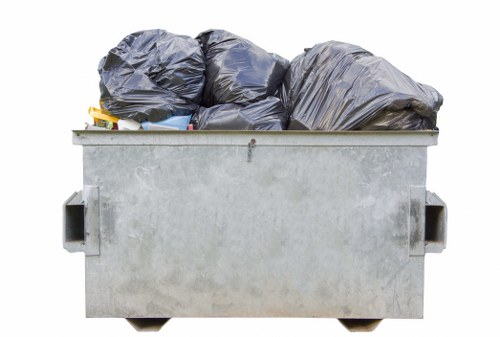
One of the main reasons businesses invest in professional waste removal is convenience. Instead of managing bins, transport, recycling arrangements, and legal checks in-house, they can hand the process to trained specialists who understand commercial requirements. This frees up time and allows teams to focus on core activities.
Another major benefit is reliability. Scheduled business waste removal in London creates consistency, which is especially valuable for businesses with high footfall or strict cleanliness standards. Regular collections reduce overflow, unpleasant smells, pest issues, and safety risks. For many companies, that consistency is worth more than the service itself because it protects workflow and reputation.
There is also a financial advantage. While some businesses assume that waste collection is simply an overhead, the truth is that efficient waste management can lower costs over time. Better segregation means higher recycling rates. Lower contamination means fewer penalties. More predictable collection schedules mean less labour spent dealing with rubbish internally.
Key advantages include:
- Improved workplace hygiene and safety
- Greater compliance with waste regulations
- Reduced disruption to staff and customers
- Higher recycling and recovery rates
- Better use of space on busy London premises
- Professional handling of specialised waste streams
Compliance, Duty of Care, and Legal Responsibility

Every business in the UK has a legal duty of care to ensure its waste is stored, transferred, and disposed of properly. In London, where enforcement can be strict and property management standards are high, compliance is especially important. Failing to meet waste obligations can result in fines, reputational damage, and unnecessary operational headaches.
A reputable business waste removal London provider should help businesses remain compliant by issuing the correct documentation, using licensed vehicles, and following approved disposal routes. This is particularly important for waste that requires special handling, such as electrical equipment, confidential paper, or hazardous substances. Companies should always confirm that their provider is fully licensed and able to demonstrate proper procedures.
Good compliance is not only about avoiding penalties. It also supports internal governance. Businesses that keep accurate records of waste collections, transfer notes, and recycling outcomes are better positioned to report on sustainability, meet client expectations, and satisfy audit requirements. In sectors such as finance, hospitality, education, and property management, this level of organisation is often expected.
What to look for in a compliant service:
- Waste carrier registration and licensing
- Clear documentation and transfer records
- Proper segregation and recycling practices
- Secure handling for sensitive or confidential materials
- Awareness of local and national disposal rules
How Business Waste Removal in London Supports Sustainability Goals
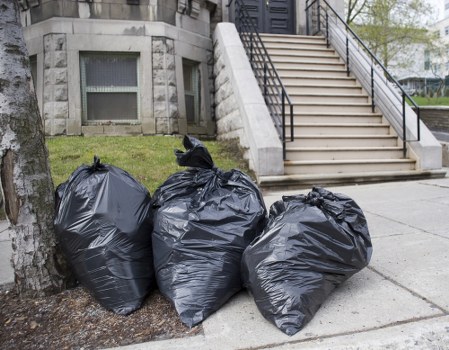
Sustainability is now a major concern for businesses across every sector, and waste management plays a central role in environmental performance. A thoughtful business waste removal London strategy can dramatically reduce landfill use, improve recycling outcomes, and support wider ESG targets. In a city where environmental expectations are rising, this matters more than ever.
Professional waste providers often sort materials for reuse, recycling, and recovery. Cardboard, metal, plastics, and some wood waste can be diverted away from landfill and reintroduced into the supply chain. Electronic waste can be broken down and processed responsibly. Food waste may be sent for anaerobic digestion or composting, depending on the service and material type. These actions help reduce the environmental impact of daily business operations.
For many organisations, sustainability is also a branding issue. Customers, investors, and employees increasingly prefer companies that operate responsibly. Choosing a transparent and environmentally aware business waste removal in London service shows commitment to reducing waste and improving resource efficiency. It can also support marketing claims and procurement standards.
Businesses looking to strengthen sustainability can take practical steps such as:
- Reducing single-use materials
- Setting up clear recycling stations
- Training staff on waste segregation
- Reusing furniture and equipment where possible
- Working with providers that prioritise recovery over landfill
Choosing the Right Business Waste Removal Company in London
Selecting a waste partner should never be based on price alone. The best business waste removal London companies combine responsiveness, compliance, flexibility, and strong customer support. They understand that different businesses have different rhythms, whether that means early-morning collections, weekend pickups, or multi-location service plans.
Start by identifying your needs. Do you require daily, weekly, or monthly collections? Do you produce mixed waste, recyclables, or specialist materials? Do you need one-off clearance after refurbishment or a long-term waste plan? Once your requirements are clear, you can compare providers on service quality, licensing, reporting, and recycling performance.
A good provider should be able to explain how waste will be handled from collection to final destination. They should also offer solutions that suit your space and staffing levels. For example, a small office may benefit from compact bins and scheduled collections, while a restaurant might need more frequent pickups and strict food waste management. A construction site, by contrast, may require skip alternatives, grab services, or bulky waste removals.
Questions to ask before hiring:
- What types of waste do you collect?
- Are you fully licensed and insured?
- How do you handle recycling and recovery?
- Can you support urgent or one-off collections?
- Do you provide reporting and documentation?
- Can your service scale as our business grows?
Industry-Specific Waste Removal Needs in London
Because London’s economy is so diverse, the needs of one business can be very different from another. A tailored business waste removal in London service should reflect the realities of each industry rather than applying a one-size-fits-all model.
Office waste removal
Offices need efficient collection of paper, cardboard, e-waste, and redundant furniture. Confidential waste disposal is particularly important for legal, financial, and professional services firms. Secure shredding and safe electronic recycling can help protect data and reduce risk.
Retail waste removal
Retailers deal with packaging, damaged goods, point-of-sale materials, and display waste. In busy London shopping areas, storage space is often limited, so regular collections are essential. A streamlined commercial waste removal London plan helps keep back-of-house areas clear and customer-facing spaces presentable.
Hospitality waste removal
Restaurants, cafés, hotels, and bars generate food waste, glass, cardboard, and general refuse at high volumes. Hygiene standards are strict, and collections often need to happen outside trading hours. Reliable business waste removal supports cleanliness, compliance, and smooth service delivery.
Construction and refurbishment waste removal
Building projects create heavy, mixed waste that must be handled carefully. Materials like plasterboard, concrete, wood, metals, and packaging require the right collection method and disposal route. Many contractors use flexible waste services to keep sites moving and avoid delays.
Industrial and warehouse waste removal
Warehouses and industrial premises often produce bulk packaging, pallets, stretch wrap, and production waste. Efficient handling helps maintain safety, reduce congestion, and support workflow. In these settings, waste management is often closely linked to logistics and inventory control.
Reducing Waste Before It Starts
The best waste strategy is not just about removal—it is also about reduction. Businesses that take a proactive approach can lower costs, reduce collections, and improve sustainability. A well-managed business waste removal London plan should be paired with internal habits that minimise unnecessary waste at source.
Simple changes can make a significant difference. Digital workflows can reduce paper use. Smarter purchasing can cut packaging waste. Reusable containers can replace disposable alternatives. Staff training can improve sorting and prevent contamination. Even small improvements across a large business can lead to noticeable savings and better environmental outcomes.
It is also worth reviewing waste data regularly. If one waste stream is growing faster than expected, that may signal an issue with purchasing, storage, inventory, or customer behaviour. Identifying these patterns allows managers to take action early and improve the overall efficiency of their business waste removal in London setup.
Ways to reduce waste at source:
- Switch to digital documentation where possible
- Use suppliers with minimal packaging
- Repair, reuse, or donate items before disposal
- Train staff to separate recyclables correctly
- Monitor waste volumes and review collection frequency
Why Flexibility Matters in London Waste Collection
London is fast-moving, and business operations often change quickly. A landlord may require a clear-out after a tenancy ends. A retailer may need extra collections during peak season. An office may be relocating and need a one-off clearance. In these cases, flexibility is just as important as routine service.
A strong business waste removal London provider should be able to adapt to changing needs without creating stress. This includes short-notice pickups, temporary contracts, ad hoc waste loads, and scalable plans for growing businesses. Flexibility is also essential for businesses that operate across multiple boroughs or sites.
For many organisations, a hybrid approach works best: regular scheduled collections for everyday waste, plus on-demand services for special circumstances. This reduces waste storage pressure while keeping costs under control. It also ensures the business remains agile, especially during renovations, seasonal peaks, or rapid expansion.
Signs your business needs a more flexible waste solution:
- Bins regularly overflow before collection day
- Collections do not match your trading hours
- Your waste volumes change throughout the year
- You are expanding, relocating, or refitting premises
- You need specialist disposal for occasional items
Making Business Waste Removal in London Cost-Effective
Cost matters to every business, and waste management should deliver value rather than create hidden inefficiencies. The most cost-effective business waste removal in London is not always the cheapest on paper. It is the service that keeps operations smooth, avoids compliance problems, supports recycling, and prevents unnecessary collections.
To improve value, businesses should review how often they collect waste, how well they sort materials, and whether their current service matches actual demand. Over-collection can waste money, while under-collection can lead to overflow and extra handling. The right balance is key.
Some businesses benefit from combining different waste streams into one coordinated plan. Others save money by separating recyclables more effectively or switching to smaller, more frequent collections. The ideal setup depends on the type of business, available storage, and site access. A good provider should help identify the most efficient option.
When comparing services, consider:
- Collection frequency and route efficiency
- Bin sizes and container options
- Recycling and recovery performance
- Labour saved by outsourcing waste handling
- Potential fines avoided through compliance
The Future of Commercial Waste Services in London
As London continues to grow, so too does the need for smarter waste management. Businesses are facing higher expectations around environmental responsibility, space efficiency, and operational transparency. That means the future of business waste removal in London will likely focus even more on data, sustainability, and tailored service delivery.
We are already seeing increased demand for recycling-led solutions, better tracking of waste streams, and improved reporting for corporate sustainability. Technology is also changing the sector, with digital booking systems, route optimisation, and clearer audit trails making services more efficient and accountable.
At the same time, businesses want simpler experiences. They do not want waste to be a complicated part of their day. They want a partner who collects on time, handles materials properly, and helps them keep premises in excellent condition. That is why the most successful commercial waste removal London providers combine operational efficiency with clear communication and practical support.
Business waste removal in London is no longer just about taking rubbish away. It is about creating cleaner workplaces, safer environments, and more sustainable business models. Companies that invest in the right approach today are better prepared for the pressures of tomorrow.
Final Thoughts on Business Waste Removal in London
Every business produces waste, but not every business manages it well. The difference lies in planning, compliance, and the quality of the service provider. A well-designed business waste removal London arrangement keeps operations efficient, protects staff and customers, and supports wider environmental goals.
From offices and retail units to hospitality venues, warehouses, and construction sites, London businesses need reliable waste solutions that match their pace and scale. With the right support, waste removal becomes a smooth background process rather than a daily headache. That means more time, less stress, and a better working environment overall.
If your business is ready to improve its waste handling, now is the time to act. Contact us today to explore tailored options, reduce waste-related hassle, and create a cleaner, more efficient workplace. Book your service now and make business waste removal in London one less thing to worry about.